Swing Set Setup: Spacing and Safety Essentials
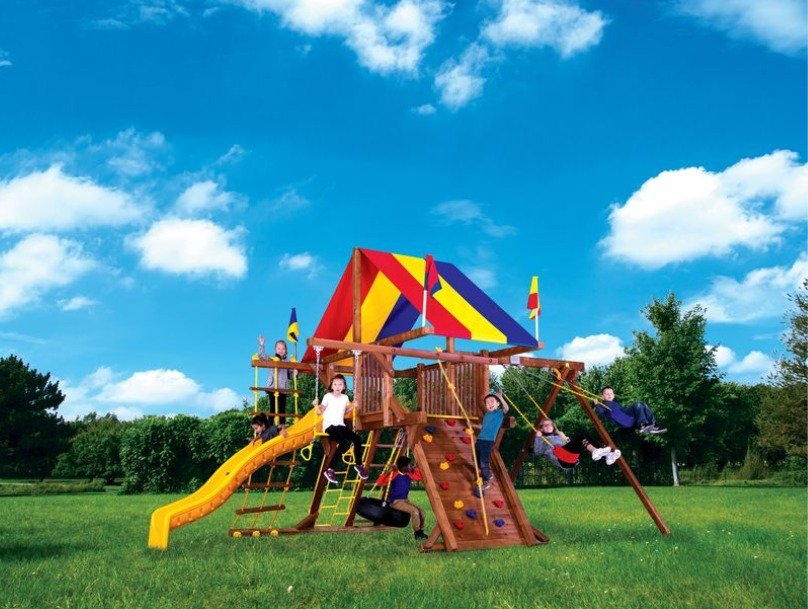
A backyard swing set turns an ordinary outdoor space into a place where children climb, imagine, explore, and stay active for hours. However, a great play experience starts long before kids race toward the swings or scramble up the climbing wall. Proper placement, thoughtful spacing, stable installation, and routine safety checks all help families create an outdoor play area that works well for years. By planning these details from the beginning, homeowners can protect their investment while giving children plenty of room for comfortable, confident play. Kids Gotta Play explores spacing and safety essentials for a swing set setup with our reputable Rainbow play systems equipment.
Start With the Right Backyard Location
Choosing the right location creates a strong foundation for every other swing set setup decision. Look for an open section of the yard that gives children clear access to the playset without forcing them around fences, sheds, landscaping, or other obstacles. Parents should also consider visibility from the house, patio, or another frequently used outdoor area so adults can easily supervise younger children. A convenient location can make the playset feel like a natural extension of the home rather than an isolated feature at the edge of the property.
Avoid placing playground equipment near busy streets, driveways, fire pits, pools, retaining walls, or other areas that could introduce unnecessary hazards. Tree branches may provide welcome shade, but low branches can interfere with taller playset components and create problems as trees grow. Families should also look overhead for utility lines and examine the surrounding area for irrigation systems, buried utilities, and drainage concerns before installation begins. Taking time to evaluate the entire space prevents expensive or frustrating changes after the playset goes up.
Measure the Playset and the Full Activity Zone
Many homeowners focus on the dimensions of the playset itself when measuring their backyard, but children need additional space around every active component. Swings travel forward and backward, slides send children several feet beyond the structure, and ladders need clear approach areas. Climbers and monkey bars also require enough surrounding room for children to move without immediately encountering a fence, tree, patio, or garden feature. A proper layout accounts for how children actually use the equipment rather than simply determining whether the structure physically fits.
Before choosing a playset, mark its approximate footprint in the yard with stakes, landscape flags, or another temporary marker. Then consider the additional space each activity requires and walk around the marked area from several directions. This simple exercise can reveal tight corners, awkward traffic patterns, or landscaping conflicts that measurements on paper might not make obvious. Families shopping for a Rainbow swing set can also work with experienced playground specialists to match the size and configuration of a playset to the available backyard space.
Create Safe Zones Around Slides and Climbers
Slides need clear space at the top and bottom because children often move quickly through these areas. Keep the slide exit away from walkways, swing paths, fences, and other places where another child could unexpectedly cross in front. Parents should also avoid placing outdoor furniture or movable toys near the bottom of the slide, since these items can gradually migrate into the landing area. Maintaining a dedicated slide zone gives children space to finish their descent and move away before the next child comes down.
Climbing walls, ladders, rock walls, rope features, and monkey bars require similar planning. Children need room to approach these features, and adults may need access to help younger climbers when necessary. Open space around elevated activities also keeps nearby objects from creating additional hazards if a child loses balance. When several activities share one play structure, careful layout planning keeps each feature accessible without creating unnecessary overlap.
Choose Appropriate Surfacing Around the Playset
The ground beneath and around a playset plays an important role in the overall setup. Hard surfaces, such as concrete and asphalt, don’t provide the forgiving environment families generally want beneath active playground equipment. Grass may seem soft at first, but heavy play can wear away turf and expose compacted soil over time. Families should explore appropriate playground surfacing options and maintain the selected material according to its specific requirements.
Before completing the play area, homeowners should consider several practical surfacing factors:
- Coverage throughout the playset’s active use zones.
- Appropriate depth for the chosen surfacing material.
- Drainage after rain or sprinkler use.
- Regular redistribution beneath swings and slide exits.
- Edging or containment where the material requires it.
- Ongoing inspection for displaced, compacted, or contaminated material.
Surfacing also affects the finished appearance of the backyard, so families can consider safety needs alongside landscaping goals. A defined play area can create a polished visual boundary between the playset, lawn, garden beds, and other outdoor living spaces. Whatever material homeowners choose, routine upkeep matters because active children naturally shift loose material away from high-traffic areas. Checking those areas frequently preserves consistent coverage where children climb, swing, slide, and land.
Anchor and Assemble the Structure Correctly
Even a high-quality playset needs careful assembly to deliver dependable performance. Builders should follow the manufacturer’s instructions closely, use the correct hardware, and confirm that structural connections remain secure throughout installation. Improvised substitutions can affect fit, alignment, or stability, so homeowners should use components that match the playset’s design requirements. Careful assembly also helps doors, ladders, swings, slides, and other moving or interactive features function correctly.
Anchoring requirements can vary according to the playset design, ground conditions, and manufacturer recommendations. Proper anchoring when necessary, helps the structure handle the repeated movement that comes from swinging, climbing, and energetic group play. Professional installation can give families added confidence that the playset sits correctly, connects securely, and follows the intended setup specifications.
Build a Backyard Play Space With Kids Gotta Play
Kids Gotta Play helps families turn that planning into a backyard experience children can enjoy throughout childhood. With more than 100 customizable playsets, homeowners can explore designs and features that fit their children, property, and vision for outdoor play. Experienced playground experts like us will guide customers through swing set setup and professional assembly while helping them make informed decisions about their backyard setup. Explore Kids Gotta Play options and create an outdoor play space designed for adventure, imagination, movement, and unforgettable family memories.