An elementary school playground gives children an important place to move, socialize, explore, and recharge during the school day. Thoughtful playground planning can support physical development while giving students opportunities to practice cooperation, creativity, and independent decision-making. Schools also need equipment that can withstand frequent use from many children throughout the academic year.
Choosing a balanced mix of play structures, activity areas, and supplementary equipment can help administrators create an outdoor space that students genuinely enjoy. Below, Kids Gotta Play explores six things you need on your elementary school playground that support movement and enrichment.
1. A Versatile Main Play Structure
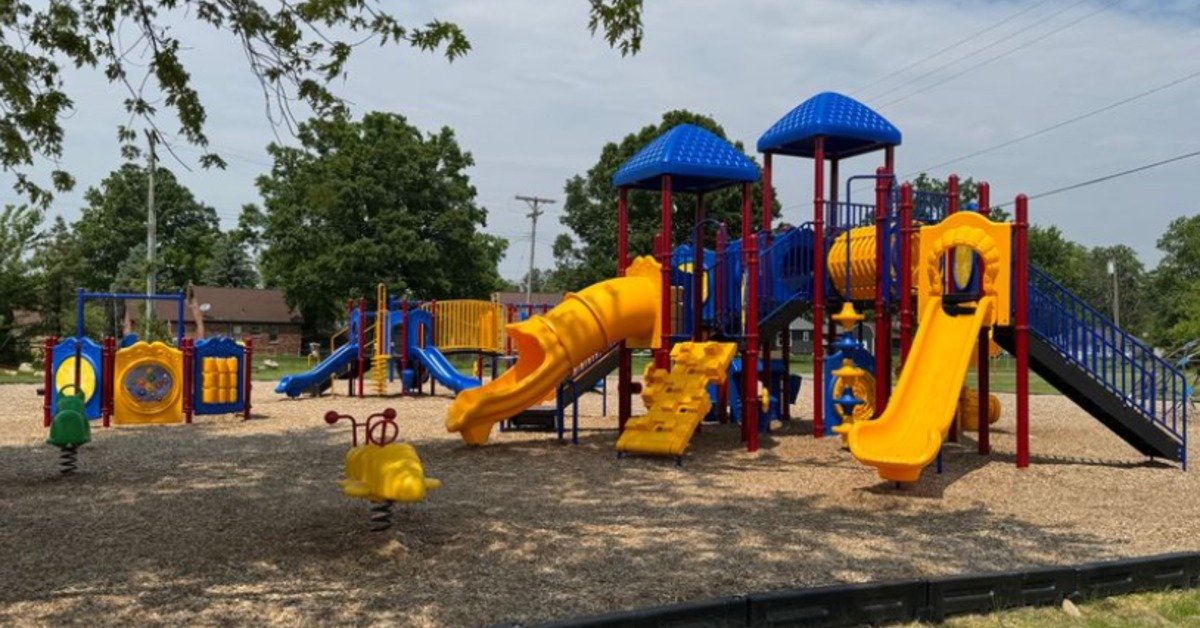
A main play structure often becomes the centerpiece of an elementary school playground because it combines several activities within one concentrated area. Slides, climbing components, platforms, activity panels, and connecting features give children multiple ways to navigate the equipment. This variety lets students create their own routes instead of repeating the exact same activity throughout every recess period. A versatile structure can also serve a broad range of ages when the school selects equipment that suits the developmental needs of its students.
Schools should consider available space, expected playground traffic, age groups, and desired activities before choosing a structure. Younger elementary students may benefit from easily accessible features and shorter challenges, while older children often appreciate equipment that requires more coordination and confidence. Schools can also look for designs that encourage children to move between climbing, balancing, sliding, and imaginative activities. Kids Gotta Play can help your school evaluate commercial playground options and select equipment that complements the outdoor environment.
2. Climbing Equipment That Builds Confidence
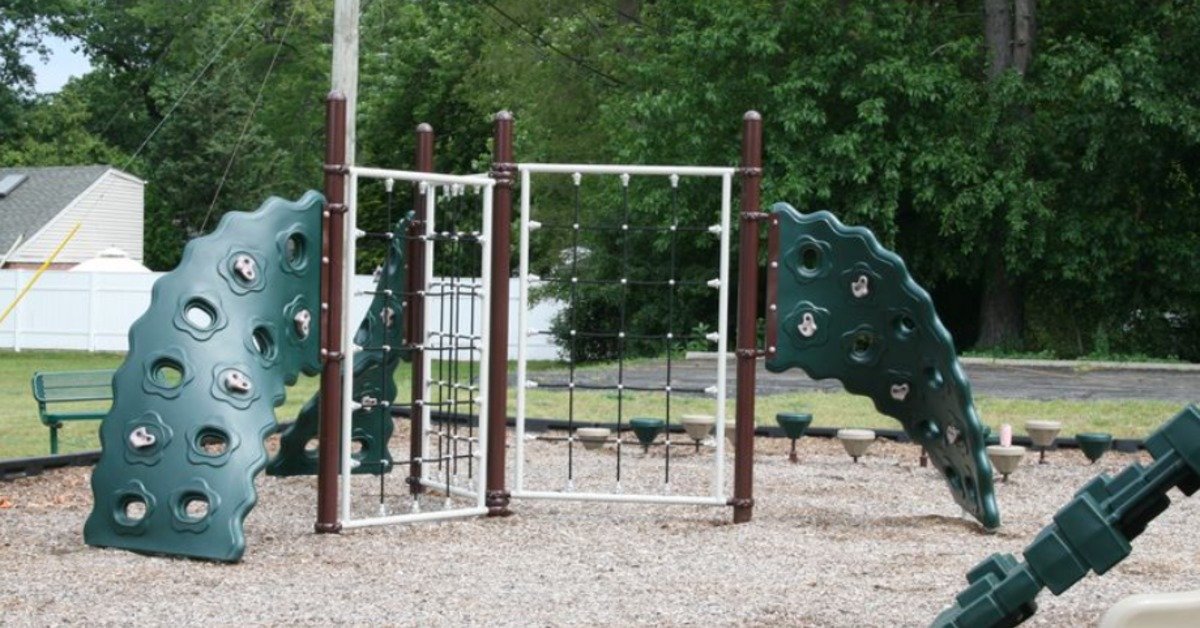
Children naturally look for opportunities to climb, making climbing components a valuable part of many school playgrounds. Climbers encourage students to coordinate their hands and feet while developing strength, balance, and greater awareness of their movements. Different climbing designs also give children opportunities to approach physical challenges at a pace that feels comfortable to them. Successfully navigating a challenging climber can provide a satisfying sense of accomplishment that keeps students interested in active outdoor play.
Schools can incorporate climbing activities through integrated structures or separate pieces that expand the playground beyond its central equipment. Vertical climbers, overhead components, ladders, and other configurations create different physical challenges and prevent the playground from feeling repetitive. Equipment selection should always account for the intended age range, available area, and appropriate playground surfacing. A thoughtful combination of climbing activities gives students new ways to move while making every recess feel more engaging.
3. Slides for Classic Playground Fun
Few pieces of playground equipment attract children as consistently as slides, which makes them an excellent addition to elementary school play areas. Slides create an exciting reward after children climb stairs, ladders, or other components and reach an elevated platform. Schools can choose between different heights, shapes, and configurations to complement the age range of their students and the overall playground design. Including more than one sliding opportunity can also distribute students throughout a busy play structure.
Slides work particularly well when planners connect them to other activities instead of treating them as isolated features. A child might climb through one section, cross a bridge, interact with friends, and finish the route by heading down a slide. This sequence creates a more complete play experience and encourages children to remain physically engaged for longer periods. Kids Gotta Play offers playground units and related equipment that can help schools build these kinds of varied outdoor experiences.
4. Swings That Encourage Movement
Swings provide a different type of physical experience than slides and climbers, making them useful for creating greater variety. Children use their legs, core muscles, and coordination to create and maintain swinging motion once they develop the necessary skills. The repetitive movement can also give students an enjoyable activity when they want something different from running through a busy play structure. A dedicated swing area can therefore broaden the ways children use the playground during recess.
Schools must plan swing placement carefully because swinging requires adequate space around the equipment. Administrators should consider playground traffic patterns so that children can reach other activities without routinely crossing through active swing areas. The school should also choose swing equipment that matches the ages and needs of the children who will use it. Combining swings with other playground staples can create an environment that supports different preferences rather than expecting every student to play in the same way.
5. Basketball Equipment for Organized and Casual Games
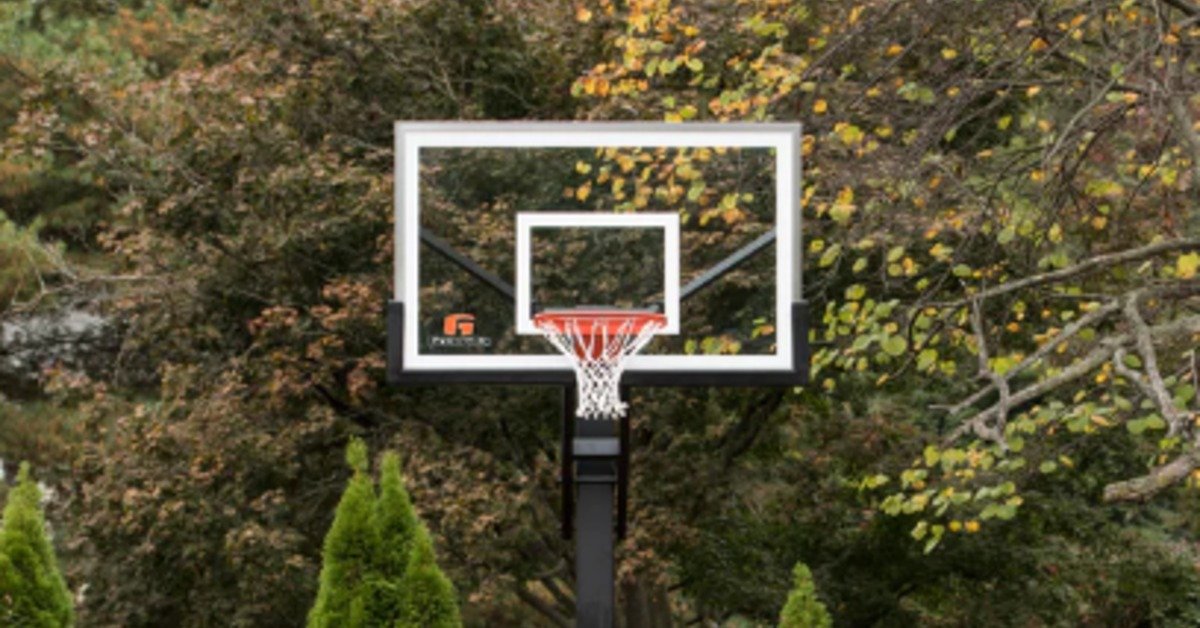
Basketball gives elementary students another reason to stay active outdoors while introducing opportunities for structured and informal games. Students can practice shooting individually, play with a few classmates, or participate in teacher-organized activities during physical education classes. A basketball area also creates a useful destination for children who prefer sports over traditional playground structures. Schools can maximize this space by choosing equipment that accommodates the height and abilities of their students.
An adjustable system proves especially useful when several grades share the same recreation area. A Goalrilla adjustable basketball hoop gives schools flexibility as children develop their skills and participate in different types of activities. Teachers can use the court for drills, shooting games, team exercises, and other movement-based lessons in addition to traditional basketball. Adding sports equipment alongside standard playground structures creates more choices and helps the outdoor area appeal to a wider range of students.
6. Equipment That Supports Different Types of Play
A strong elementary playground gives children several ways to participate instead of focusing entirely on one kind of activity. Some students want physically demanding challenges, while others enjoy social games, imaginative experiences, sports, or quieter forms of recreation. Providing different options can make recess more inviting and encourage students to discover activities that match their interests. Variety also distributes children across the playground rather than concentrating everyone around one popular feature.
Schools can consider a combination of features when creating this variety, including:
- Multi-activity commercial play structures
- Slides and age-appropriate climbing components
- Swings and motion-based equipment
- Basketball hoops and recreational sports equipment
- Open areas for running and group games
- Interactive or imaginative play features
- Benches or designated areas for rest and conversation
- Playground accessories that expand existing equipment
The best elementary school playgrounds combine movement, exploration, social interaction, and fun within an organized outdoor environment. A versatile main structure can establish the foundation, while climbers, slides, swings, basketball equipment, and open spaces add experiences for different students. Kids Gotta Play works with commercial customers, including schools and communities, to provide playground units, supplementary recreation equipment, installation, and service. Explore Kids Gotta Play’s options when you want to create an elementary school playground that gives children more reasons to get outside, stay active, and enjoy every recess.