Spring vs. Springfree Trampolines: Cost and Safety Compared
Choosing a trampoline for your backyard involves much more than comparing sizes and finding enough room on the lawn. Parents also need to consider safety features, long-term costs, maintenance needs, durability, and the overall experience their children will have while jumping. Traditional spring trampolines remain common because they offer familiar designs at a wide range of price points, while Springfree trampolines take a different approach to construction and safety. Understanding how these two designs compare can help families invest in an outdoor play option that fits their priorities and encourages kids to spend more time outside. Kids Gotta Play compares the cost and safety factors of spring vs. Springfree trampolines.
At a Glance: The Main Design Difference
Traditional trampolines create their bounce through metal coil springs that connect the jumping mat to a rigid steel frame. Manufacturers typically position these springs around the perimeter, and many designs cover them with padded mats to reduce contact during use. This construction has served as the standard trampoline design for decades because metal springs provide a responsive bounce and relatively straightforward manufacturing. However, the springs and surrounding frame also introduce hard components near the jumping area that families need to consider.
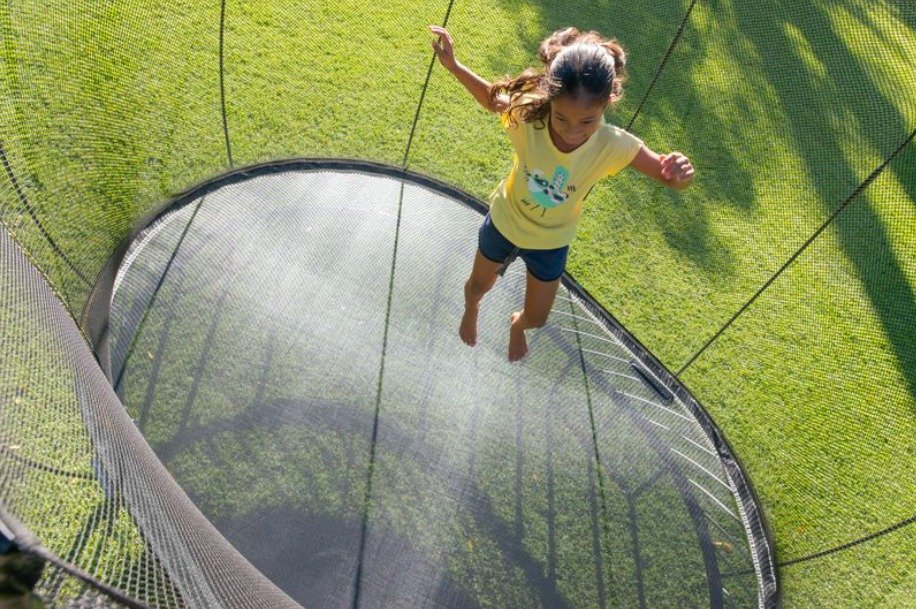
Springfree trampolines replace traditional metal springs with flexible composite rods that sit underneath the jumping surface. This design moves several rigid components away from areas where jumpers commonly land, step, or fall during active play. A flexible enclosure also directs jumpers back toward the center instead of giving them a rigid surface to strike. These differences create two distinctly different approaches to backyard trampoline construction, even though both products serve the same basic purpose.
Comparing Safety Around the Jumping Surface
The space immediately surrounding the jumping mat deserves close attention because children rarely land perfectly in the center every time. Traditional models generally use safety pads to cover their springs and frame, which creates a barrier between jumpers and the metal components underneath. Those pads can provide important protection when owners install, inspect, and maintain them correctly. Over time, however, weather exposure and regular use can cause padding to shift, crack, fade, or deteriorate.
Springfree designs remove metal coil springs from the edge of the jumping surface altogether. Their flexible rods sit beneath the mat, while the frame rests below the jumping area instead of directly along its perimeter. This construction reduces opportunities for a jumper to make contact with traditional springs or a hard perimeter frame during normal use. Families comparing trampoline designs should consider this structural difference alongside supervision, proper setup, and responsible jumping habits.
Comparing Initial Trampoline Costs
Price often creates one of the most noticeable differences when families begin shopping for trampolines. Traditional spring trampolines cover a broad market, so shoppers can find everything from inexpensive recreational models to larger premium systems with heavier frames and stronger materials. Lower upfront prices can make these models attractive when a family wants backyard entertainment without making a major initial investment. However, comparing purchase prices alone doesn’t reveal what each trampoline may cost throughout years of ownership.
Springfree models generally represent a premium investment because their design uses specialized materials and an alternative structural system. Families searching for a Springfree trampoline for sale should compare the complete product rather than focusing exclusively on the initial price tag. Construction quality, included safety features, warranty coverage, expected longevity, and maintenance requirements all influence the real value of a trampoline. A higher purchase price makes financial sense when a family values durable construction and plans to use the trampoline regularly for many years.
Considering Long-Term Ownership Costs
Every outdoor trampoline faces sun, rain, wind, changing temperatures, and repeated physical stress from active jumpers. Such conditions gradually affect mats, nets, padding, springs, hardware, and other components, depending on the trampoline design. Families should therefore consider potential replacement parts and maintenance when comparing overall ownership costs. A bargain purchase can become less economical when it requires frequent repairs or replacement components.
Several factors deserve attention when estimating long-term value, including:
- Inspect how often padding, netting, springs, or other components may require replacement.
- Compare warranty terms and understand which parts receive coverage.
- Consider how weather exposure may affect the materials used in each model.
- Look at the manufacturer’s recommended inspection and maintenance schedule.
- Think about how many years your children can realistically use the selected trampoline.
- Factor accessories and future upgrades into your total ownership budget.
Choosing the Right Trampoline for Your Family
The right choice depends on how your family balances budget, safety priorities, durability, available space, and expected frequency of use. Traditional spring trampolines offer many sizes and price points, which can help families find options that fit different backyard layouts and spending plans. Springfree models appeal to families who want a design that removes traditional metal springs from the jumping edge and relocates the rigid frame below the jumping surface. Comparing these structural differences can prove more useful than simply deciding which trampoline costs less on purchase day.
Families should also think realistically about who will use the trampoline and how long they expect it to remain part of the backyard. Check manufacturer specifications for user weight limits, required clearance, installation instructions, anchoring recommendations, and appropriate accessories before choosing a model. Consider where the trampoline will sit and make sure the surrounding area provides adequate room for safe use according to manufacturer guidance. A thoughtful buying process helps families select outdoor equipment that supports active play without overlooking practical ownership responsibilities.
Make Outdoor Play a Bigger Part of Family Life
Kids Gotta Play has helped Michigan families make outdoor play more exciting since the early 1990s. As a family-owned business, we understand that parents want backyard equipment that delivers fun while supporting thoughtful decisions about quality, durability, and safety features. Our selection of Springfree Trampolines, wooden swing sets, basketball hoops, playhouses, and other outdoor products gives families plenty of ways to create a backyard where kids actually want to spend their time. When you choose equipment that fits your family today and continues serving your children for years, the backyard can become one of their favorite places to play, laugh, move, and make memories. Compare cost and safety of spring vs. Springfree trampolines and let us help you set your family fun up for success.