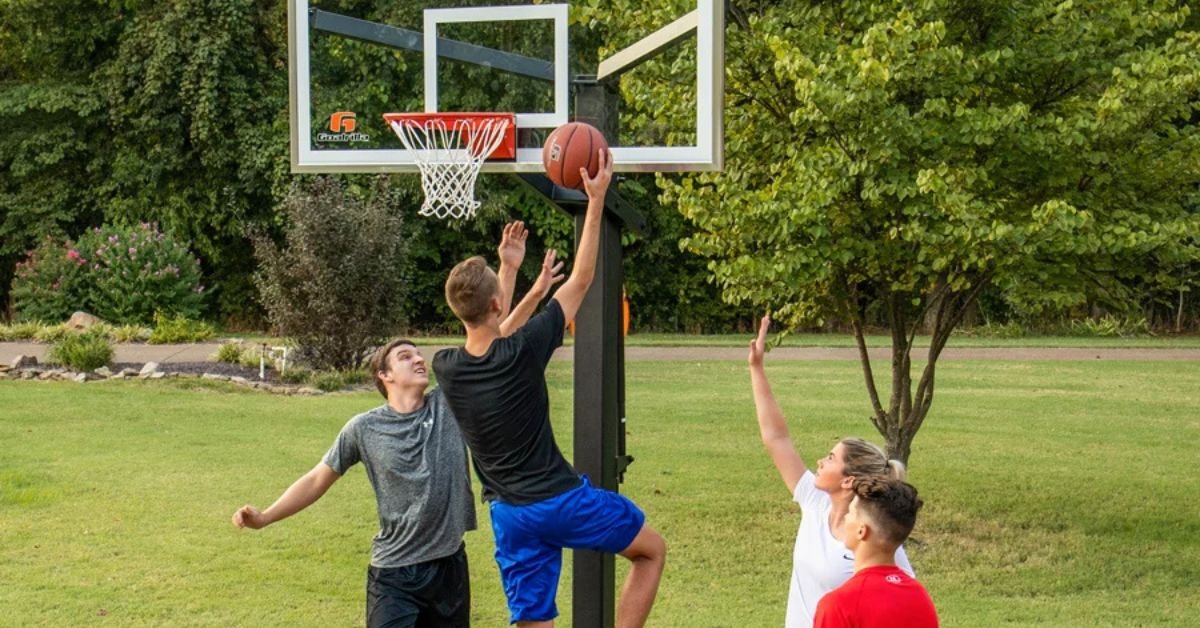
Backyard hoops keep family memories bouncing, even when things get chilly outside. Those driveway shootouts, bank shots off the glass, and friendly free-throw contests feel magical under a winter sky. The fun does not need to hibernate when the temperature drops, but your equipment will need a little love to handle the elements.
Cold, moisture, and road salt put stress on every part of an outdoor system. Backboards face grit and grime, rims flex in freezing temps, and poles battle rust at ground level. Smart preparation keeps performance steady and prevents damage before it starts. A little care here gives you greater confidence when the kids head outside for a quick game during their winter break.
Let’s start strong with the essentials, then work through detail by detail. Your winter plan begins right now with these winter care tips for your backyard basketball hoop.
Prepping the Hoop
Cleaning
Start with a fresh slate. Wash the backboard using warm water, a mild dish soap, and a soft microfiber cloth. Gentle circular motions lift stuck-on dirt without scratching the surface. Rinse thoroughly to ensure no film remains, then dry with a clean towel.
Tempered glass benefits from a final pass using a glass cleaner recommended by the manufacturer. Plastic or acrylic boards need non-ammonia cleaners to protect their clarity. Be sure to wipe the rim, net hooks, and adjustment handle, too. Any lingering grime can hold moisture that freezes and expands.
Portable bases collect leaves and grit along edges. Clear debris from seams and wheels to avoid trapped moisture. A clean system sheds snow and drains faster after thaw cycles.
Inspection
A quick inspection prevents winter wear from turning into spring repairs. Check the backboard for hairline cracks, clouding, or loose mounting points. Look along the rim for any signs of bent sections, soft spring action, or chipped powder coating.
Scan the pole for dings and any bubbling paint near the base, which often signals rust beginning beneath the surface. Tighten loose hardware with the correct tools and torque, including rim bolts and backboard brackets. Adjustable systems need extra attention on actuator screws, pins, and safety stops.
Use this time to also inspect portable bases for leaks around the cap and any swelling that hints at past freezing. If you have an in-ground system, look at the hoop’s anchor nuts, washers, and levelness. Anything that appears loose now will only worsen once ice and wind arrive.
Touch-Up
Small paint issues become big problems in winter. Address chips and scratches on powder-coated poles or brackets before the first freeze. Lightly sand away rust until clean metal shows, then wipe the area dry.
Use a rust-inhibiting primer followed by an outdoor enamel or the touch-up paint recommended by your manufacturer. Apply thin coats and allow appropriate drying time between layers. Choose a dry, above-freezing day, and avoid painting when snow or rain is in the forecast. A careful touch-up keeps moisture from attacking the steel under the finish.
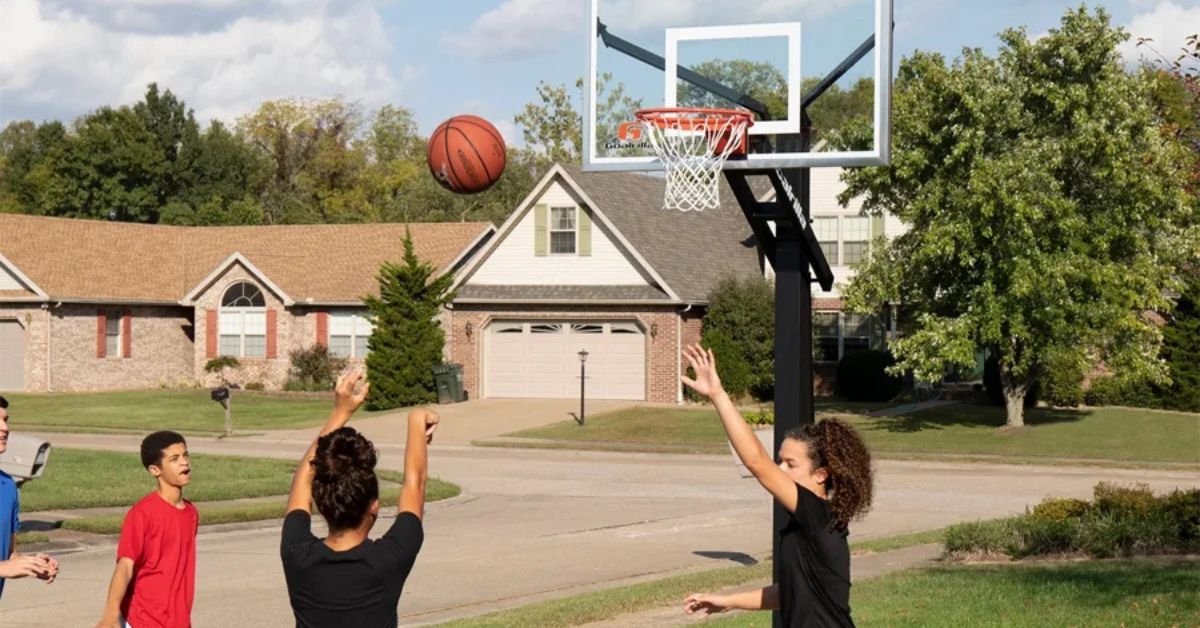
Protecting Components
Net Care
Nets soak up water that freezes into heavy, hard clumps. That extra weight strains the rim and hooks (and it can ruin a great shot). Remove the net and store it in a labeled bag inside the house. A quick soak and air-dry before storage will keep it fresh for spring.
Some families use a weather-resistant replacement during winter play. Lightweight, coated options shed moisture better than cotton. Regardless of the material or the season, taking the net off after games is an easy way to keep it in great condition.
Rim Protection
Rims face the brunt of winter stress, especially on adjustable systems that get daily use. Wipe the rim dry after storms and avoid hanging or dunking during deep freezes. Those loads hit metal differently in cold weather.
A silicone-safe lubricant on exposed springs and hinge points helps resist moisture. Avoid petroleum products that can attract grit. If your system includes a rim cover or guard, install it once storms start rolling through. Regular checks keep performance crisp and consistent.
Pole Maintenance
Poles battle corrosion where snow piles meet salty slush. Clean the pole, then add a thin coat of automotive wax to the powder-coated surface. That slick barrier helps repel water and grime. Clear snow away from the base after plowing or shoveling the driveway.
Inspect the base plate or ground sleeve transition for gaps in sealant. Water that reaches raw steel speeds up rust. A flexible, exterior-grade sealant around that interface will serve you well through winter heaves and thaws.
Safeguarding the Foundation
Base Care
Portable systems need special attention once temperatures dip. Sand remains the most reliable fill because it will not freeze or expand. Water can freeze and crack the base, even when a de-icing additive is present. Automotive antifreeze introduces safety risks for kids and pets, so avoid it altogether.
Confirm the fill level, check the cap seal, and verify that wheels roll smoothly. A sheltered placement near a garage wall reduces wind load. If the hoop moves for storage, push rather than pull, and avoid dragging wheels over ice ridges that can crack plastic.
Anchor Protection
In-ground hoops rely on solid anchors for safe play. Tighten anchor nuts evenly so the pole stays plumb. Apply an anti-seize or weatherproof grease to exposed threads, then cover them with protective caps.
The concrete pad at the base should shed water away from the pole. If pooling occurs, add a small bead of flexible sealant where the plate meets the pad. That simple step helps block meltwater from creeping under the plate during freeze-thaw cycles.
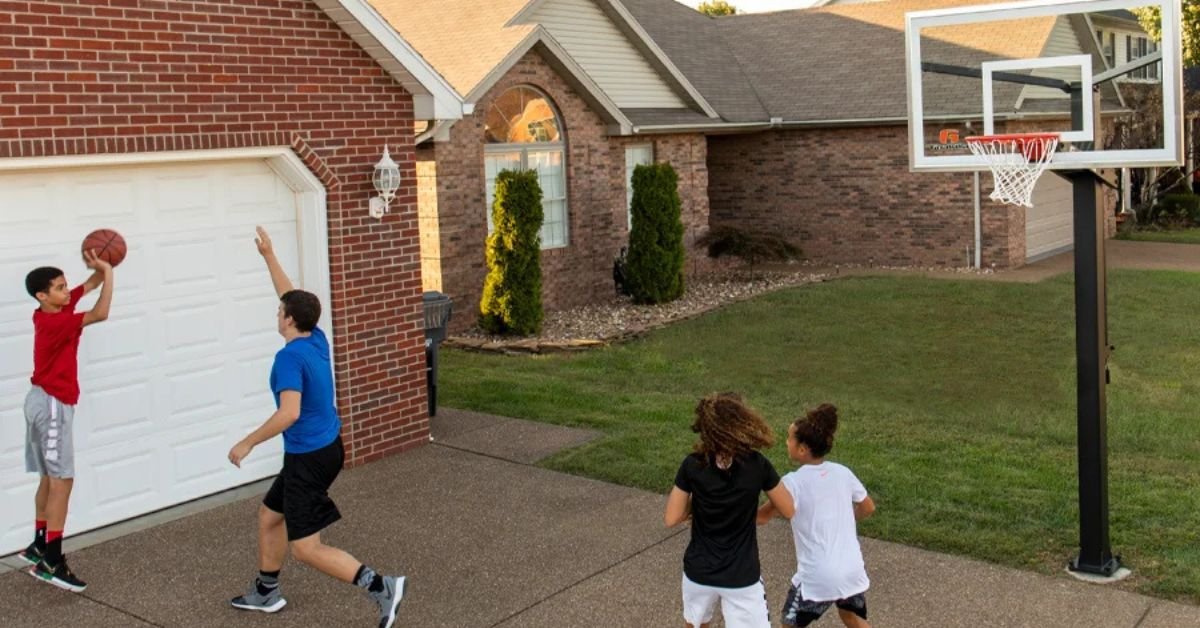
Dealing With Snow and Ice
Safe Removal
Snow leaves backboards dull and slippery, but the wrong tools can cause damage. A soft push broom clears powder without scratching. A leaf blower works well on dry, fluffy snow early in a storm. Hard scrapers, metal shovels, and chisels belong far from your hoop.
Ice requires patience. Let sunlight and warmer moments loosen it, then clean gently. Discourage family members from pounding on the backboard or rim to break ice free, and let everyone know that road salts can corrode metal and stain surfaces and should be avoided.
Preventative Measures
Lower an adjustable hoop after each game, then cover the backboard and rim with a breathable, weatherproof cover. A cover keeps sleet from clinging and makes the next cleanup fast.
You can also use a hydrophobic glass treatment approved by your manufacturer to further protect tempered glass. Acrylic boards may need product-specific cleaners and protectants. A bit of extra care before a storm keeps buildup from becoming an all-week job.
Keep the Game Going All Winter
Winter play brings out grit, laughter, and epic buzzer-beaters in boots and hats. A little care ensures the equipment keeps up with all the fun.
Families who follow these steps save money, cut downtime, and enjoy better games all season. Your hoop will reward that effort with smooth rebounds, true bounces, and reliable safety. Keep these winter care tips for your backyard basketball hoop handy, share them with the kids, and make winter ball a family tradition.
Ready to upgrade or outfit your driveway with a system built for Michigan winters? Kids Gotta Play carries durable options, including the dependable Goalrilla basketball hoop line that stands tall through snow, wind, and everyday family use. Visit Kids Gotta Play to compare sizes, features, and installation choices, then bring home a hoop your family will love year-round!