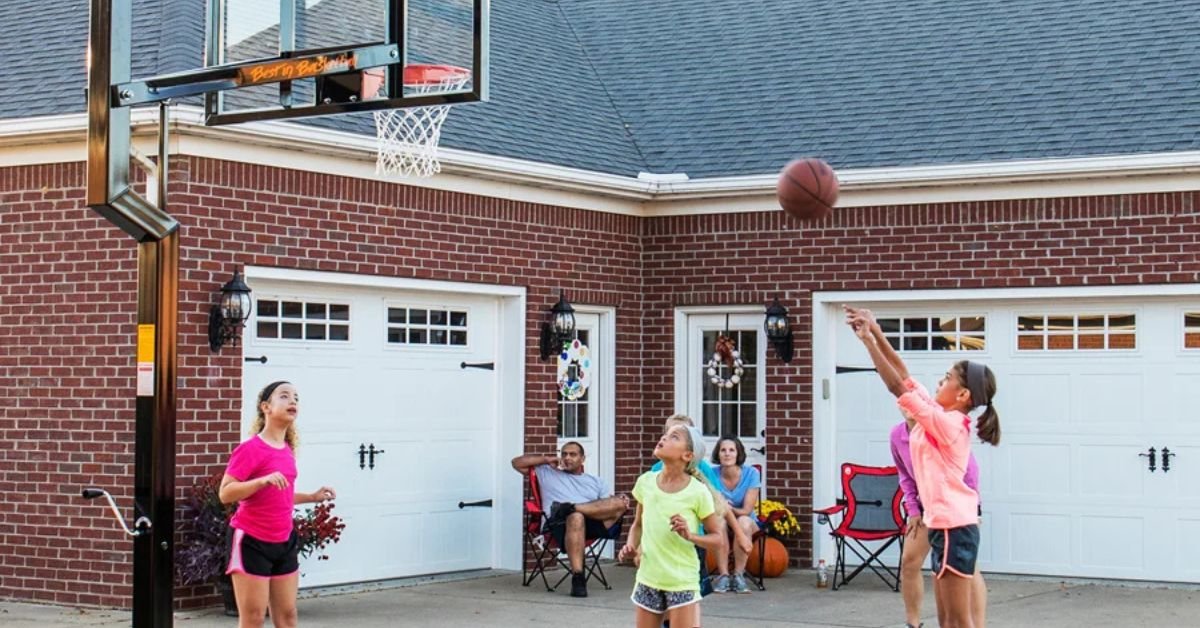
Installing a basketball hoop at home is one of the best ways to encourage outdoor play, friendly competition, and family fun. Whether you’re setting up a driveway court or building a backyard practice area, the size of the backboard will play a major role in how the game feels.
By understanding the available options and how they influence gameplay, you can confidently choose the right backboard size for your basketball hoop and create a space that’s fun for everyone.
Why Backboard Size Matters
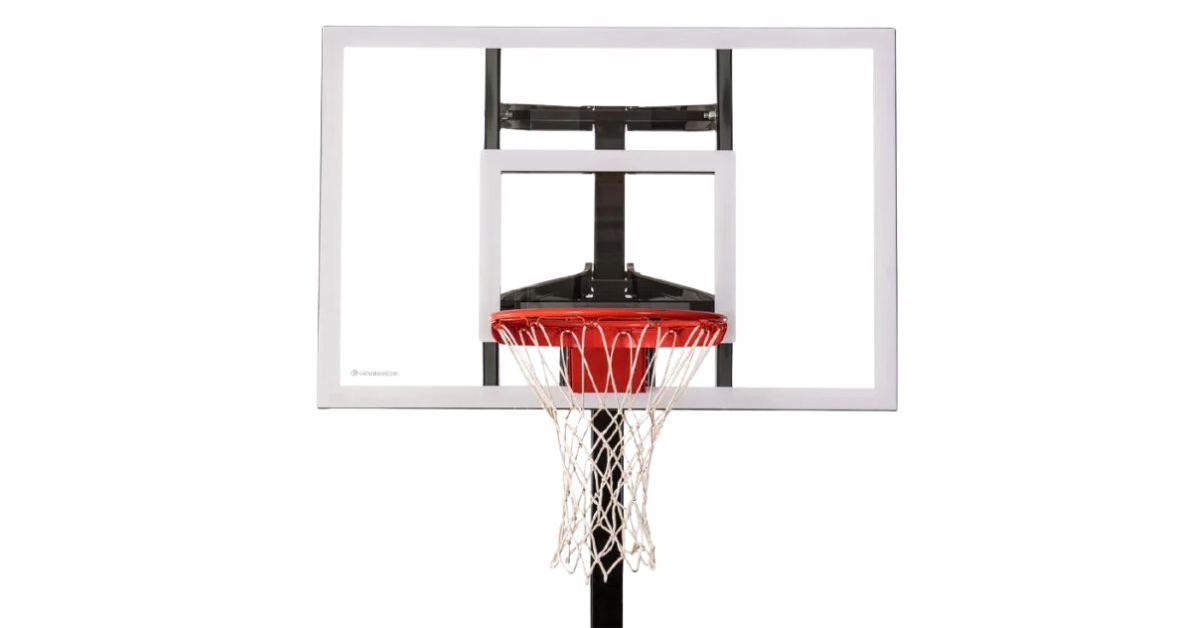
The backboard is more than just a surface behind the rim. It directly affects how the ball rebounds, how players practice their shots, and how realistic the game feels.
A larger backboard creates more opportunities for bank shots and rebounding drills. This can be especially valuable for kids learning the game, as it provides more forgiving angles and encourages skill development.
Smaller backboards, on the other hand, often work well for compact driveways or recreational play. They still provide plenty of fun while requiring less space and typically suiting a smaller budget.
At Kids Gotta Play, we carry a variety of Goalsetter basketball hoop backboard models and sizes. This flexibility allows families to choose a setup that fits both their available space and the way they plan to use the hoop.
Common Backboard Sizes
Most residential basketball hoops fall into a few standard size categories. Understanding these helps narrow down your choices and determine what feels right for your home court.
- 54 inches wide: A compact option ideal for smaller driveways and casual play.
- 60 inches wide: A popular middle ground offering improved rebound space and versatility.
- 72 inches wide: Regulation size used on professional and competitive courts.
Each of these sizes provides a different playing experience. Families often choose based on available space, skill level, and whether the hoop is for play or for practice.
For example, a driveway used primarily by younger kids may function perfectly with a 54-inch backboard. Meanwhile, teens developing their basketball skills after joining the school’s team might benefit from the added space of a 60-inch or 72-inch backboard.
The 54-Inch Backboard: Great for Casual Play
A 54-inch backboard is one of the most common options for residential basketball systems. It offers a comfortable playing surface without requiring a large installation area.
This size works well for families who want a fun, recreational hoop for driveway games and neighborhood competition. Kids can practice shooting, friends can gather for pickup games, and the hoop still fits neatly into many suburban spaces.
Because it takes up less width, the 54-inch backboard is also easier to accommodate in tighter driveways or shared spaces. That makes it a practical option for many homes.
Even with its smaller size, a high-quality system like a Goalsetter basketball hoop still delivers strong rebounding and durability when paired with a 54-inch backboard.
The 60-Inch Backboard: The Balanced Choice
For families who want a slightly more competitive experience, the 60-inch backboard is often the ideal solution. It strikes a balance between recreational fun and serious practice.
With additional width, players have more room to practice bank shots and rebounds. This helps players develop skills that translate better to school or league basketball.
The 60-inch option is particularly popular among families with growing athletes. As kids improve their abilities, the larger backboard provides a more realistic playing environment.
A Goalsetter basketball hoop with a 60-inch backboard can quickly become the centerpiece of backyard activity. It supports casual games while still offering enough performance for dedicated practice sessions.
The 72-Inch Backboard: Regulation Performance
If you want the closest experience to playing on a professional or school court, the 72-inch backboard is the top choice. This is the official regulation width used in organized basketball.
The larger surface dramatically expands rebounding opportunities and shot angles. Players can practice advanced bank shots and simulate real-game situations.
For families with serious basketball players, installing a full-size backboard creates a training environment that closely mirrors their experiences on competitive courts.
Of course, a 72-inch backboard requires more installation space and a sturdy system to support the weight.
Factors To Consider When Choosing Backboard Size
Selecting the right backboard size isn’t just about preference. A few practical factors should guide the decision.
Before choosing, think about:
- Available space: Measure your driveway or backyard area to ensure the backboard fits comfortably.
- Player age and skill level: Younger players may not need a full-size backboard yet.
- Practice goals: Serious players often benefit from larger rebounding surfaces.
- Court style: A dedicated basketball area may support larger equipment than a shared driveway.
Taking time to evaluate these factors ensures your hoop matches how your family actually uses the space. A well-matched backboard size makes family games more enjoyable and practice more productive.
Backboard Materials Matter Too
While size is critical, the material of the backboard also affects performance. High-quality systems often use tempered glass, acrylic, or polycarbonate.
Tempered glass delivers a reliable rebound, which is part of why it’s the go-to choice on professional courts. That said, acrylic and polycarbonate options can still provide excellent performance while offering durability and affordability.
Creating the Perfect Backyard Court
Installing a basketball hoop is about more than just sports equipment. It creates a gathering place where families connect, neighbors compete, and kids stay active outdoors.
A thoughtfully chosen backboard size can transform a simple driveway into everyone’s favorite neighborhood hangout. Kids practice after school, parents join in weekend games, and friendly rivalries grow.
Because basketball hoops last for years, choosing wisely at the beginning makes a big difference. The right system continues delivering fun and exercise long after the initial installation.
When paired with other outdoor play equipment, a basketball hoop becomes part of a larger backyard experience that keeps everyone moving and engaged.
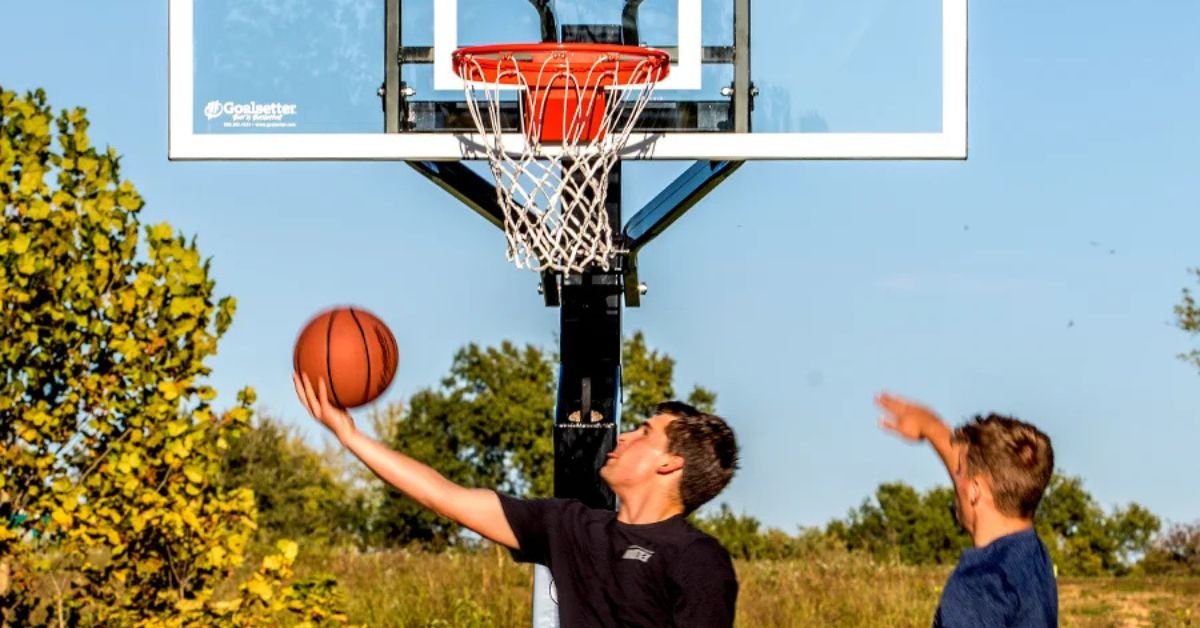
Pick the Perfect Backboard
Choosing the correct backboard size comes down to space, skill level, and how seriously your family plans to play. Smaller backboards offer convenience and recreational fun, while larger options create a more competitive training environment.
High-quality options like Goalsetter basketball hoops give families the flexibility to choose from multiple backboard sizes without sacrificing durability or performance.
By evaluating your space, considering your players, and understanding the benefits of each option, you can confidently select the right backboard size for your basketball hoop and build a court your family will enjoy for years.
If you’re ready to upgrade your backyard play space, explore Kids Gotta Play’s selection of basketball hoops and other outdoor play equipment.