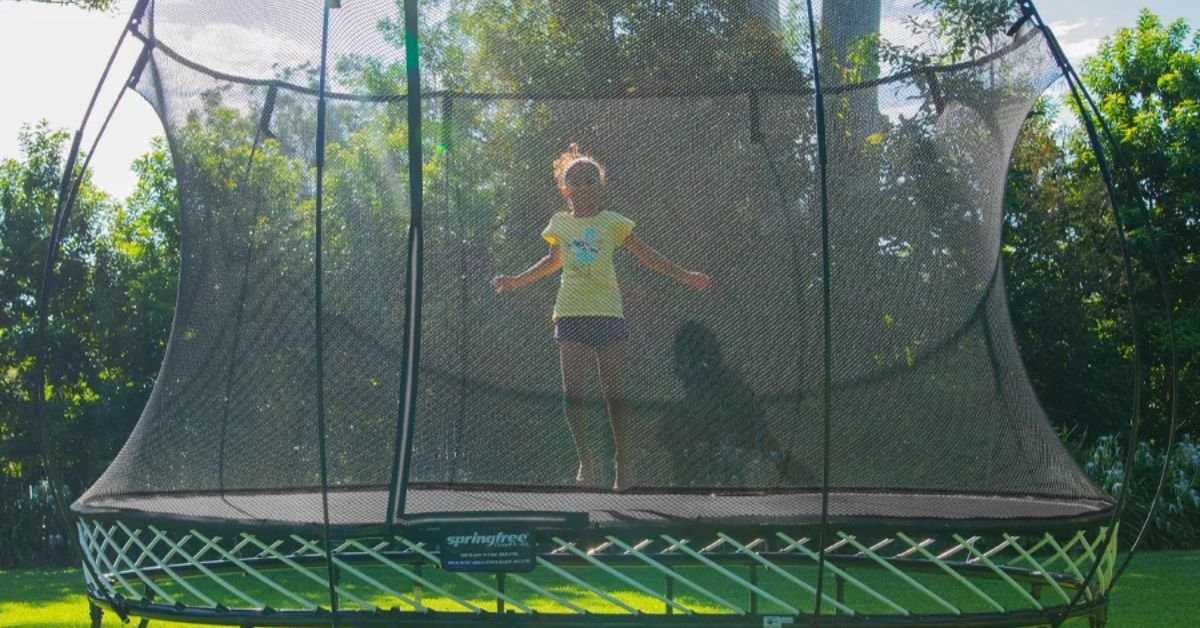
Backyard trampolines have come a long way from the simple spring-based models many parents remember. Today, innovations in safety and design have created new options for families who want active outdoor fun that involves fewer bumps, pinches, and scrapes. One of the most well-known advancements is the Springfree trampoline, which replaces traditional metal springs with a unique flexible system.
Let’s take a look at the engineering behind the product. By understanding how Springfree trampoline technology works, parents can make more confident decisions about adding a trampoline to their backyard play space.
The Problem With Traditional Trampolines
Before diving into the technology itself, it helps to understand the common issues with older trampoline designs. Traditional trampolines rely on metal springs that stretch between the jumping mat and the frame. While this design creates bounce, it also introduces several safety concerns.
First, exposed springs can pinch fingers, toes, or clothing. Children may accidentally land on them while jumping, especially if the protective pads shift out of place.
Second, the rigid metal frame surrounding the trampoline creates a hard impact point. If a jumper loses balance or jumps near the edge, they can collide with the frame.
Finally, traditional trampolines place the jumping surface at the edge of the frame. This means the active jumping area is very close to metal components.
Because of these concerns, trampoline manufacturers began exploring safer engineering solutions that could maintain bounce performance while reducing common hazards.
The Core Idea Behind a Springfree Trampoline
A Springfree trampoline approaches the problem differently by removing the springs entirely. Instead of relying on metal coils, the trampoline uses flexible composite rods positioned beneath the jumping surface.
These rods bend downward when someone jumps on the mat. As they flex, they store energy and then release it to create the upward bounce that jumpers expect.
The design shifts the trampoline’s energy system below the jumping surface rather than around its edges. This subtle change dramatically alters how the trampoline performs and how it protects users.
By moving the flex components underneath the mat, the design eliminates many of the traditional contact points that can lead to injuries.
Key Components of Springfree Trampoline Technology
Understanding how Springfree trampoline technology works requires looking at the specific parts that make the system possible.
Flexible Composite Rods
The most recognizable feature of a Springfree trampoline is its use of fiberglass composite rods instead of metal springs.
These rods attach beneath the jumping mat and extend outward to connect to the frame. When someone jumps, the rods bend downward rather than stretching horizontally like springs.
This bending motion creates a smoother, more controlled bounce.
Composite rod systems:
- Eliminate pinch points created by metal springs
- Provide smoother energy distribution during jumping
- Maintain consistent bounce across the mat
- Reduce the sudden recoil often felt with spring systems
Because the rods flex beneath the surface, jumpers never directly make contact with them during normal use.
Hidden Frame Design
Another major difference is the frame placement. Instead of sitting directly at the jumping surface edge, the frame on a Springfree trampoline sits well below the mat.
This creates a larger effective jumping area and reduces the chance of landing on a hard metal edge.
The frame itself is also padded and positioned outside the primary jumping zone. This protects jumpers who drift toward the outer edge of the mat during active play.
By relocating the frame and rods beneath the jumping surface, the design removes many of the contact points present on traditional trampolines.
SoftEdge Jumping Surface
Traditional trampoline mats are tightly stretched across the frame and springs. In contrast, the Springfree trampoline mat extends beyond the frame perimeter.
This extended mat design creates what the company calls a “SoftEdge.” Instead of landing on a metal structure, jumpers land on flexible material that continues to absorb impact.
Key benefits of this jumping surface include:
- Larger usable jumping space
- Softer landing zones near the edge
- Reduced risk of contact with rigid parts
- Improved stability during active play
The mat works together with the rods and frame placement to create a trampoline that prioritizes safe bounce dynamics.
How the Bounce System Works
The bounce created by a Springfree trampoline may feel slightly different from traditional trampolines at first, but it still delivers strong lift and responsiveness.
When a jumper lands on the mat, their weight pushes the surface downward. This motion transfers force to the composite rods attached underneath.
The rods flex downward and outward, storing energy much like a bow bending under tension. As the rods return to their original position, that stored energy pushes the mat back upward.
This process repeats with each jump, creating a smooth bounce cycle.
Because the rods bend rather than stretch, the system distributes force more evenly across the trampoline surface. Many families describe the bounce as more controlled compared to traditional spring-based trampolines.
Safety Advantages of the Springless Design
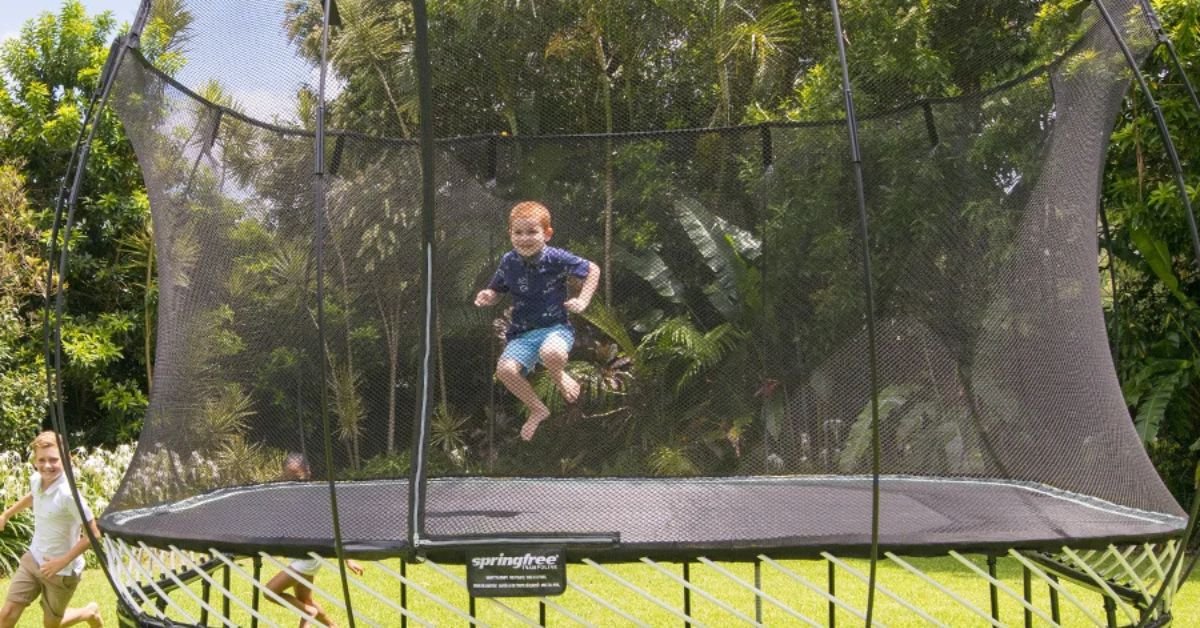
Safety is one of the main reasons families consider a Springfree trampoline for their backyard. The engineering choices behind the design aim to address many of the injury risks historically associated with trampolines.
Key safety advantages include:
- No exposed springs that could pinch or trap fingers
- Frame positioned below the jumping surface
- Flexible rods that stay outside the jumping area
- Larger active jumping surface for better stability
Together, these design elements create a trampoline that minimizes the number of hard or hazardous contact points.
While no trampoline can eliminate all risk, thoughtful engineering can significantly reduce common injury scenarios.
How the Safety Enclosure Works
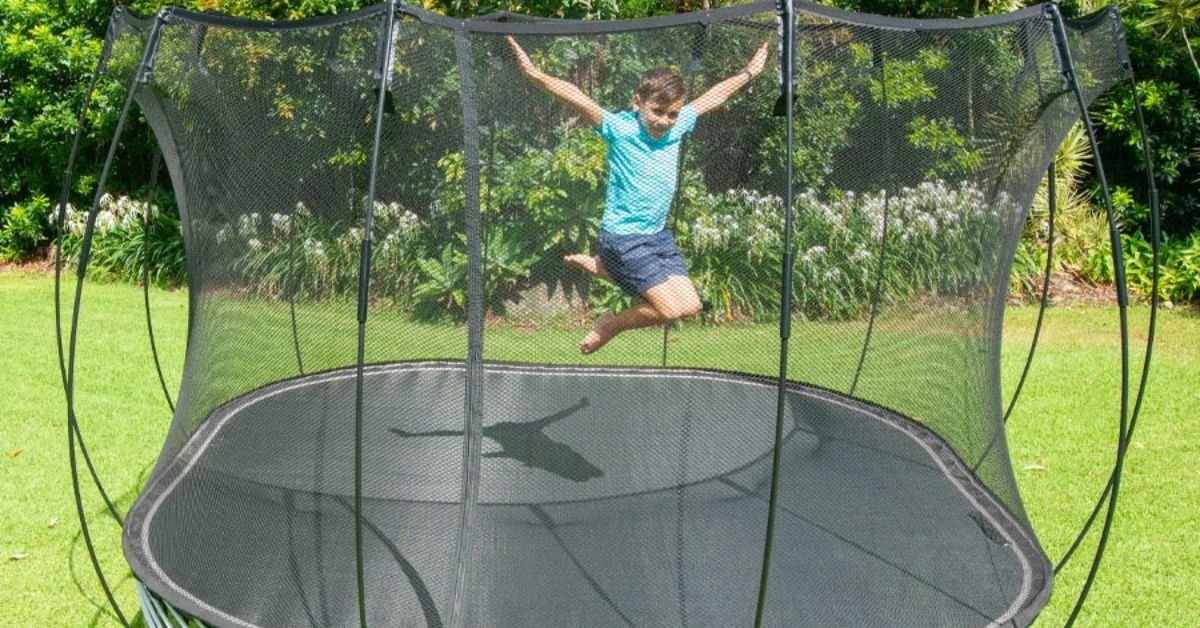
Another important part of Springfree trampoline technology is the safety enclosure. Unlike traditional net systems that attach to the outside of the frame, the Springfree enclosure uses flexible rods to support the net.
These rods curve upward and outward, creating a soft containment area around the trampoline.
If a jumper falls toward the net, the flexible structure absorbs the impact rather than pushing the jumper back toward the mat too abruptly.
Because the enclosure rods bend and flex, the system works as an additional safety buffer instead of acting like a rigid barrier.
Bringing Safe Outdoor Fun to Your Backyard
Backyard trampolines can encourage active play, outdoor time, and family bonding. Kids burn energy while developing balance, coordination, and confidence as they jump and move.
Knowing how Springfree trampoline technology works makes it easier to appreciate the thoughtful engineering that supports those moments of fun.
If you’re considering adding a Springfree trampoline or other backyard play equipment to your home, we can help. Browse Kids Gotta Play’s selection of trampolines and backyard play equipment to find the perfect addition to your family’s outdoor space.