When children see a playground, they rarely think about exercise. They see towers to climb, slides to race down, and bridges that turn an ordinary afternoon into an adventure. That sense of fun is exactly why commercial playgrounds encourage active lifestyles so naturally for neighborhoods, schools, parks, HOAs, and community spaces.
For community leaders and property planners, the right playground can do more than fill open space. It can invite children to step outdoors, support a community’s health, and create a place where families want to gather. When designed well, commercial playsets help kids exercise their imaginations and more!
Play That Feels Like an Adventure
Kids stay active longer when movement feels exciting. A thoughtful playground turns climbing, sliding, crawling, and balancing into part of a bigger story. One child may pretend the structure is a castle, while another turns the same space into a jungle course.
That imaginative layer helps movement feel voluntary instead of forced. Children may not keep track of how often they climb steps, pull themselves up, or run from one feature to the next. They simply follow the fun.
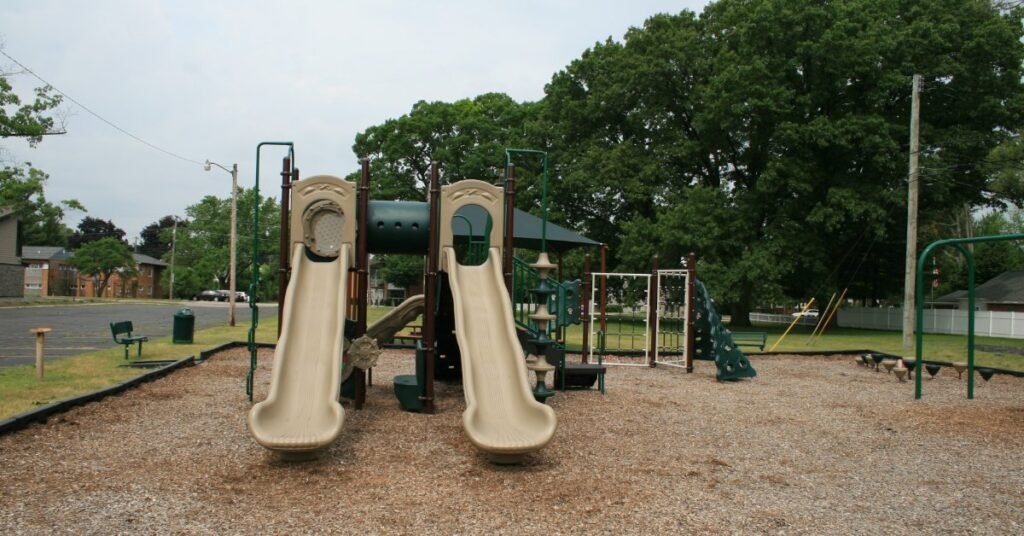
Commercial playgrounds support repeated movements and constant activity because they offer many ways to play in one connected space. Instead of one short burst, children can move through different zones, invent games, and return to favorite features, all in the same visit.
Climbing Builds Confidence and Strength
Climbing features challenge children to use their arms, legs, balance, and coordination together. Even a simple climbing wall or ladder can help kids practice body control in a playful setting.
For younger children, climbing may start with small steps and low platforms. Older kids may gravitate toward taller structures, overhead elements, or more complex routes. This progression lets children test their abilities at a pace that feels exciting but manageable.
Climbing also builds confidence. When a child reaches a platform after a few tries, that success feels huge. Over time, these small wins can encourage stronger outdoor play habits.
Slides Keep Energy Moving
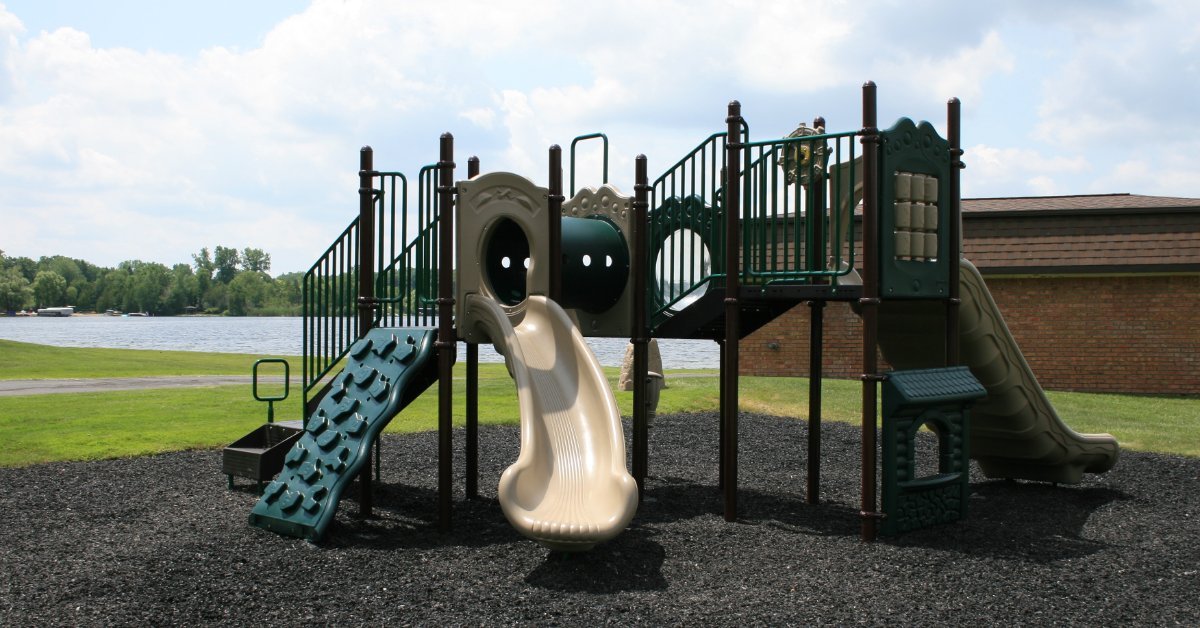
Slides add speed and excitement to playground play. They give children a reward after climbing, and that reward often motivates them to repeat the same active route many times. Climb up, slide down, and race back to the start quickly becomes a full-body activity.
As an added benefit, slides also support social play. Children wait their turn, cheer each other on, and create games around timing and movement. A slide may become part of a pretend rescue mission or the finish line of a friendly challenge.
For commercial spaces, slides work well because they appeal to kids of all ages. Different heights, shapes, and layouts can help designers match equipment to the community’s needs.
Swings Add Rhythm to Outdoor Fun
Swinging may look simple, but it helps children develop coordination, balance, and body awareness. Kids learn how to pump their legs, shift their weight, and control movement through rhythm. That practice supports active play without feeling structured.
Swings also give children a different sensory experience than climbing or sliding. Some kids love gentle motion, while others enjoy reaching higher once they feel secure. Offering a mix of swing options can help more children feel included.
Before choosing swing areas, planners should think through space, surfacing, and traffic flow. A strong layout helps children enjoy swinging while keeping nearby play zones easy to navigate.
A few planning details can make swing areas more inviting:
- Place swings away from crowded pathways
- Choose age-appropriate swing styles
- Use protective surfacing beneath active zones
- Leave clear room for safe movement
Open Layouts Invite Running and Games
Not every active moment happens on the equipment itself. Open space around a playground gives children room to run, chase, stretch, and create their own games. These areas can turn a playset into the center of a larger active environment.
Kids often use open areas for tag, relay races, follow-the-leader games, or imaginative group play. These activities encourage movement and help children build social skills at the same time. They also give kids a break from structured equipment without stopping the fun.
Commercial playsets in Michigan should fit the surrounding space instead of crowding it. A thoughtful layout leaves room for movement between features and creates clear paths for families, caregivers, and supervisors.
Balance Features Make Movement Playful
Balance beams, stepping pods, bridges, and wobble-style elements help children practice stability in a fun way. These features challenge kids to slow down, focus, and control their bodies. They also create opportunities for games that feel different from climbing or running.
Balance play adds variety without needing a large footprint. A few well-placed features can encourage children to move in new ways. Kids may pretend they are crossing a river, walking through space, or completing an obstacle course.
These elements also support different confidence levels. Some children may move carefully across a low beam, while others may create faster routes through the same feature. Either way, they can step up to the challenge and train their balance while having fun.
Commercial Play Spaces Support Community Wellness
A playground can become a daily reason for families to spend time outside. For HOAs, schools, parks, childcare centers, and shared community areas, that consistent use adds real value. Families gain a place where children can move, connect, and enjoy fresh air close to home.
Commercial playgrounds also help make active play visible. When children see other kids climbing, swinging, and running, they often want to join in. That shared energy can turn a quiet space into a lively destination.
The right equipment can support different goals within one location. Some areas of the play space may focus on imaginative play, while others encourage physical challenge or social interaction. It’s important to have both if you want an area that welcomes all kids and all kinds of play.
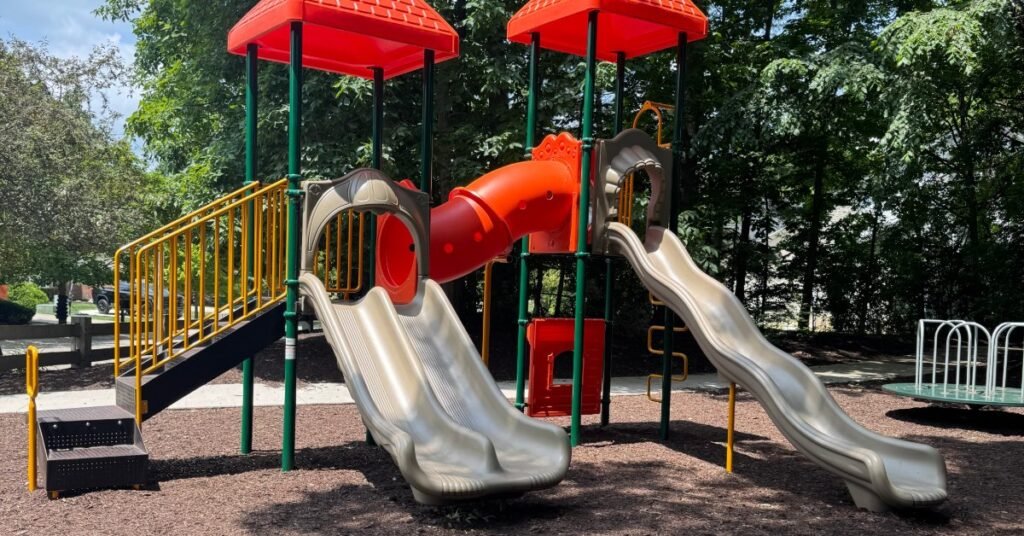
Choosing Equipment That Fits Your Space
Every community space has different needs. A small daycare play area may need compact equipment for younger children, while a neighborhood park may need larger structures that serve a wider age range. Before selecting equipment, planners should think about who will use the space and how often.
Safety, durability, and layout should guide the decision. Michigan weather can be tough on outdoor spaces, so quality materials and thoughtful installation matter. Commercial equipment should feel fun for children and practical for the adults responsible for long-term care.
As you compare options, it helps to think through:
- Age ranges using the playground
- Available space and traffic flow
- Surfacing and fall-zone needs
- Long-term maintenance expectations
Keep Kids Moving, Keep Things Fun!
Children do not need complicated fitness routines to stay active. They need safe, exciting spaces that make movement feel natural. A great commercial playground can offer that through climbing, sliding, swinging, balancing, running, and imaginative play.
For community planners, the goal is not just to install equipment. The goal is to create a destination where children want to move, families want to gather, and outdoor play becomes part of everyday life.
That is why commercial playgrounds encourage active lifestyles in such a joyful way. They turn healthy movement into adventure, connection, and lasting memories. If your community is ready for a play space that inspires more outdoor fun, we invite you to explore Kids Gotta Play’s selection of commercial playsets in Michigan. We can help you choose options that bring energy, imagination, and active play to your space.