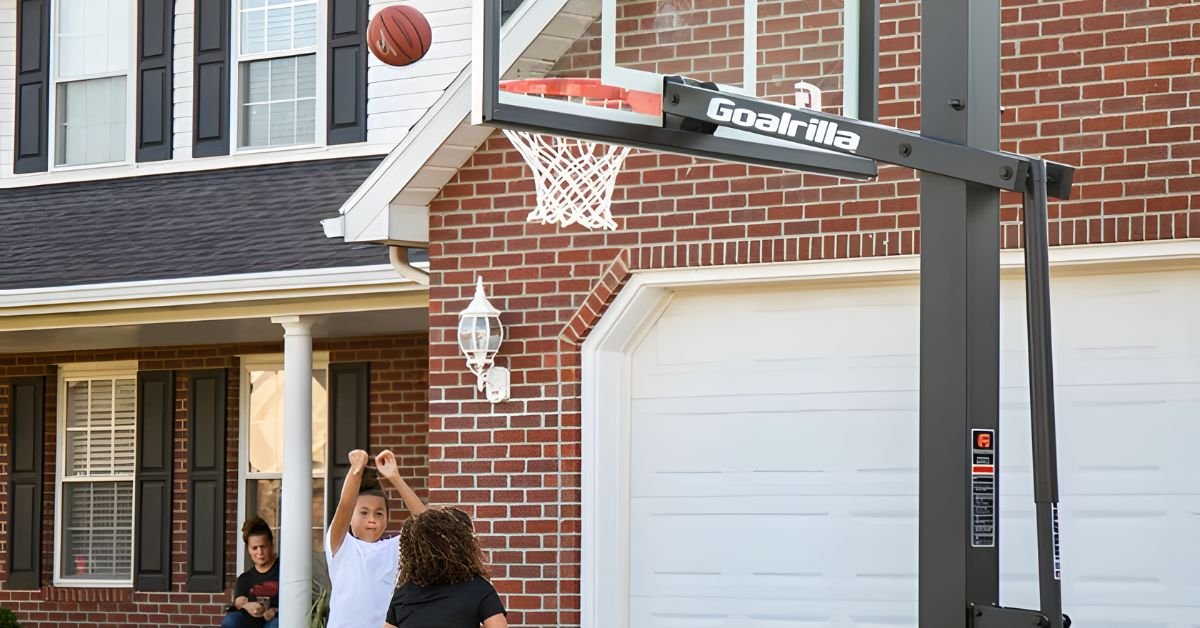
Your basketball hoop represents a significant investment in family fun and athletic development. Whether you’re shooting casual free throws or practicing for competitive play, you’ll want to properly maintain your basketball hoop to keep it performing at its best for years to come. Regular maintenance protects your investment while ensuring safe, consistent play for everyone in your family.
This comprehensive guide walks you through everything you need to know about basketball hoop maintenance. From routine cleaning to protecting against harsh weather, we’ll cover the essential steps that keep your hoop in championship condition!
Regular Cleaning
Dirt, dust, and environmental debris accumulate on your basketball hoop over time, affecting both performance and appearance. Establishing a regular cleaning routine prevents buildup and extends the life of your equipment.
Cleaning the Backboard
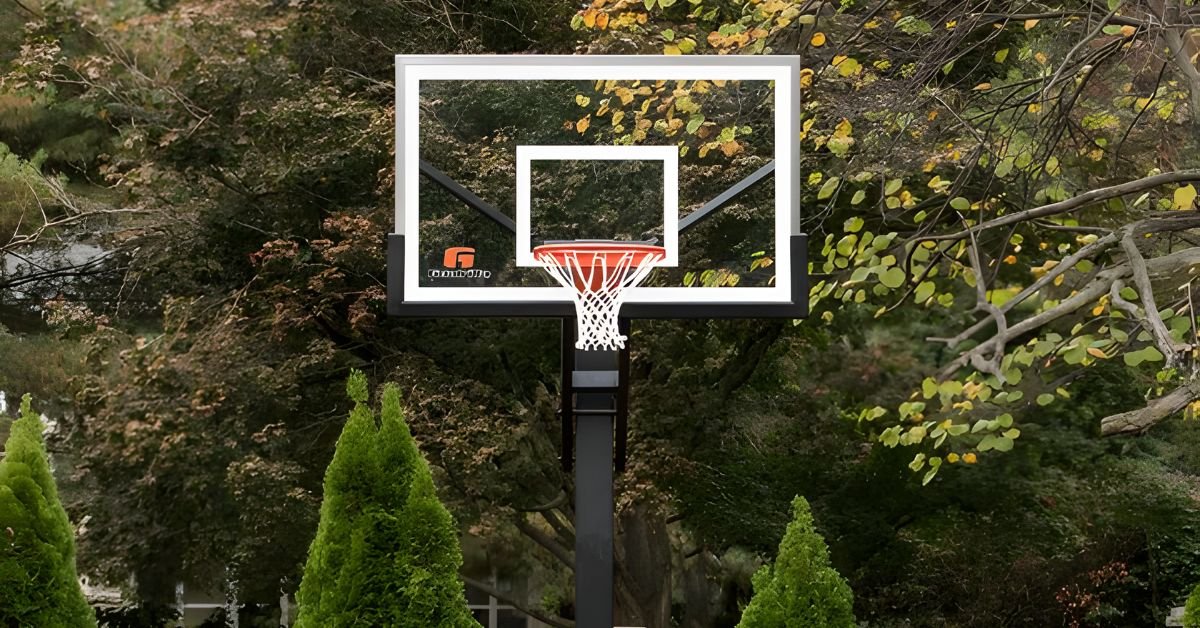
Your backboard demands special attention since it directly impacts gameplay. Different backboard materials require specific cleaning approaches to maintain optimal performance.
Glass backboards need gentle care with non-abrasive cleaners. Mix warm water with mild dish soap, then apply with a soft cloth using circular motions. Avoid harsh chemicals that can damage protective coatings or leave streaks. Rinse thoroughly with clean water and dry with a microfiber cloth to prevent water spots.
Acrylic backboards tolerate similar cleaning methods but appreciate extra gentleness. Use the same soap-and-water solution, but apply even lighter pressure to avoid scratching the surface. Clean your backboard every two to three weeks during regular use (or more frequently in dusty environments).
Washing the Rim and Net
The rim and net face constant contact during play, making them magnets for dirt and grime. Remove rust spots on metal rims using a wire brush and rust remover designed for outdoor equipment. Follow up with a protective coating to prevent future corrosion.
Nets require regular inspection and cleaning too. Most basketball nets can be hand-washed with mild detergent and warm water. Soak the net for 15-20 minutes, gently agitate to remove dirt, then rinse thoroughly. Hang the net to air dry completely before reattaching it to the rim. It’s best to replace nets showing significant wear or fraying, as doing so will maintain proper ball response during play.
Inspecting and Tightening Hardware
Your basketball hoop’s stability depends on properly secured hardware. Regular inspections catch potential issues before they become safety concerns.
Checking Bolts and Nuts
Examine all bolts and nuts monthly during active play seasons. Vibrations from aggressive gameplay gradually loosen hardware connections, compromising stability and safety.
Keep a socket wrench set handy so that you can make adjustments as needed. Check connection points where the backboard attaches to the mounting bracket, where the rim connects to the backboard, and all pole assembly joints. Tighten any loose hardware carefully without overtightening, which can strip threads or crack components.
Apply a small amount of thread-locking compound on critical bolts to prevent loosening from repeated impacts. This simple step significantly reduces maintenance frequency while enhancing overall stability.
Examining the Pole and Base
Your hoop’s pole and base provide the foundation for safe play. Inspect these components quarterly for signs of damage or deterioration.
Look for rust spots, especially at ground level, where moisture accumulates. You can generally treat surface rust with rust remover and protective paint. Deep rust or structural damage requires professional assessment.
Use this time to also check the pole for bends, cracks, or other deformities that affect vertical alignment. Any structural damage demands immediate attention to prevent collapse during use.
Examine the base stability if you have a portable system. Ensure the base contains adequate water or sand to prevent tipping. In-ground systems should show no signs of concrete cracking or pole movement within the anchor.
Maintaining the Adjusting Mechanism
The height adjustment mechanism represents one of your hoop’s most valuable features, especially for families with players of different ages and skill levels. Proper maintenance keeps this system functioning smoothly.
Lubricating Moving Parts
Moving parts require regular lubrication to operate smoothly and prevent premature wear. Apply silicone-based lubricant to all adjustment mechanism components every three to four months.
Focus on pivot points, telescoping sections, and any locking mechanisms. Avoid petroleum-based lubricants that attract dirt and gum up over time. Apply lubricant sparingly, wiping away excess to prevent dripping.
Work the adjustment mechanism through its full range of motion after lubricating. This action distributes lubricant evenly and helps you spot any sticking points in need of additional attention.
Verifying Height Accuracy
Use and fluctuating temperatures can lead to changes in its positioning, so it’s always worthwhile to revisit the hoop’s position now and then. We recommend you check your hoop’s height accuracy seasonally using a measuring tape. Measure from the ground to the rim’s top edge at several points around the hoop.
Regulation height measures exactly 10 feet from ground to rim. A Goalrilla adjustable basketball hoop should hit this mark precisely when set to the maximum position. Verify that height markings on the pole align with actual measurements. These markings help you quickly set appropriate heights for different players without measuring each time.
Protecting Against Weather
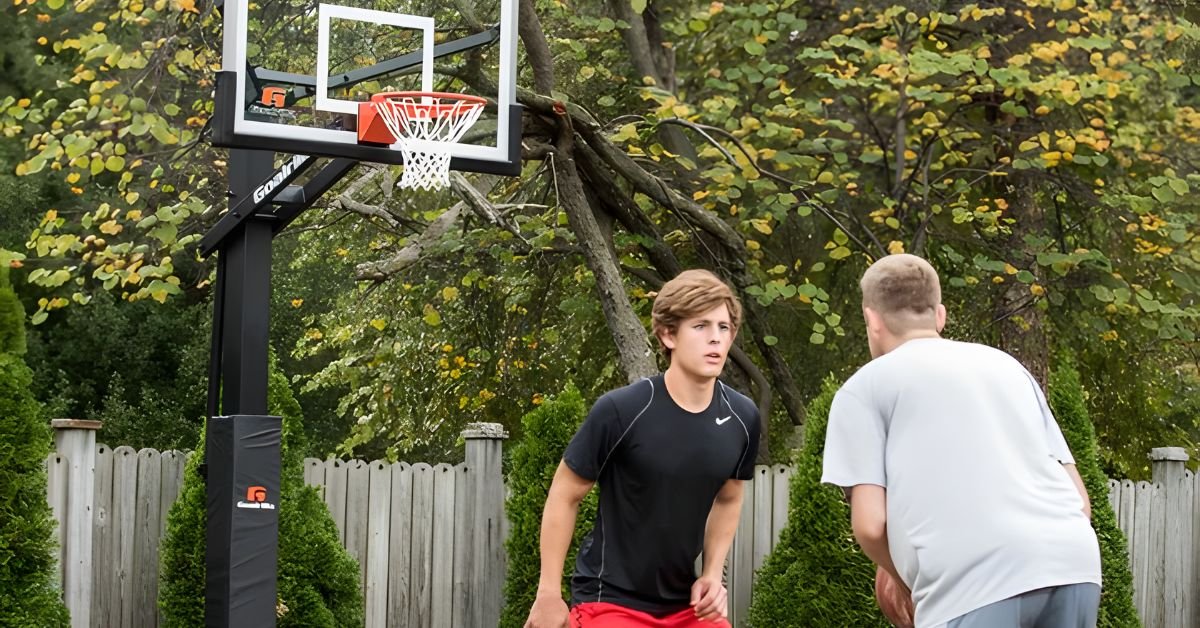
Outdoor basketball hoops face constant exposure to sun, rain, snow, and temperature fluctuations. Proactive weather protection dramatically extends equipment life.
Rust Prevention
Metal components remain vulnerable to rust despite protective coatings. Inspect all metal surfaces every few months for early signs of corrosion.
Apply rust-resistant coatings to vulnerable areas like hardware connections, rim undersides, and pole bases. Touch up any chips or scratches in protective paint immediately to prevent moisture infiltration.
Cover exposed bolt heads with rust-preventive grease or specialized covers. These small measures prevent rust from taking hold in hard-to-treat locations. Finally, consider applying automotive wax to metal surfaces for additional moisture protection. This creates a barrier against rain and humidity while making future cleaning easier.
Storing During Off-Season
If you live in regions with harsh winters, consider protective measures during off-season months. While many basketball hoops are built to withstand severe weather, extra protection never hurts.
Cover your hoop with a weather-resistant tarp or specialized basketball hoop cover. Secure covers tightly to prevent wind damage while allowing some air circulation to prevent moisture buildup.
Some families lower adjustable hoops to minimum height during winter. This choice reduces wind exposure while making covers more effective. Just remember to check the adjustment mechanism before storage to ensure smooth operation.
Remove and store nets indoors during extended periods of non-use. Nets deteriorate faster when exposed to freezing temperatures and ice accumulation.
Keeping the Game Going Strong
Properly maintain your basketball hoop through regular cleaning, hardware inspections, adjustment mechanism care, and weather protection. These straightforward maintenance steps preserve your investment while ensuring safe, enjoyable play for the entire family. Set aside time each season for thorough inspections, and address small issues before they become major problems.
Let Kids Gotta Play help you enhance your play spaces and keep the fun going with our selection of high-quality basketball hoops from Goalrilla. Your family deserves equipment that performs reliably season after season, and proper maintenance makes that goal achievable. Start your maintenance routine today and enjoy countless hours of basketball action for years to come!