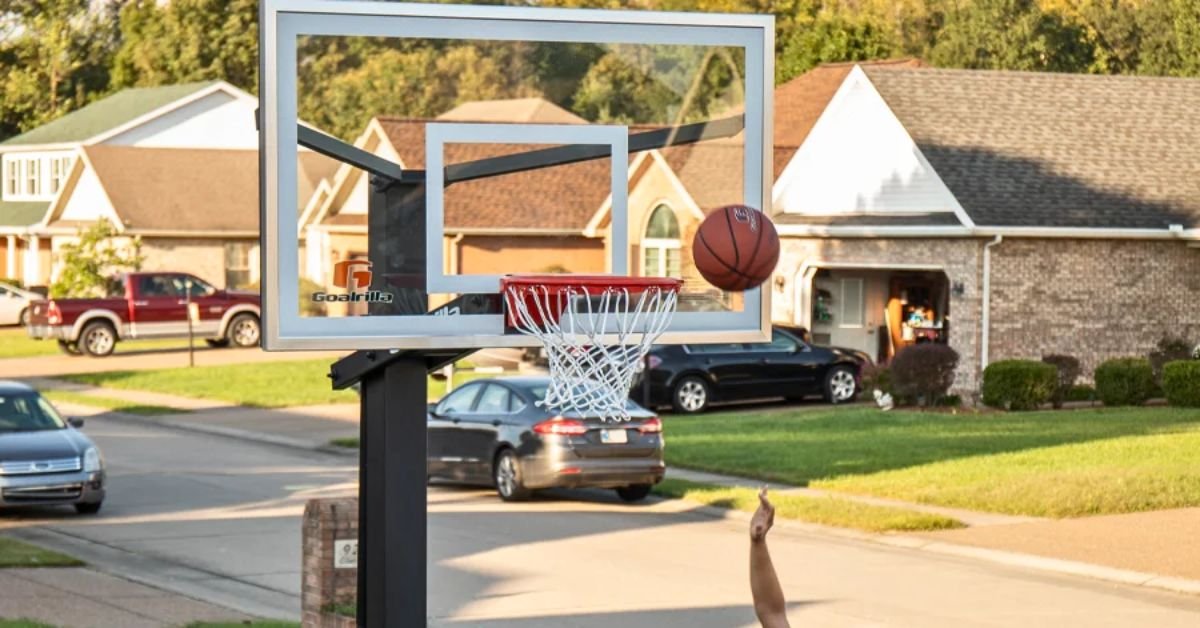
A great hoop transforms a driveway or backyard into your family’s favorite hangout. Picking the right spot matters just as much as the hoop you buy. We’ll help you choose the perfect location for your basketball hoop and build a setup that’s safe, fun, and game-ready. Whether you’re dialing in a solo shooting lane or planning a half-court for the whole crew, smart placement multiplies your playtime and protects your investment.
Ready to map out your court? Let’s break down everything that leads to an ideal install!
Assessing Your Space
Size Considerations
Every great court begins with clear boundaries. Measure first, then match your hoop and layout to your available space.
- Target at least 10 feet of clear space from the backboard to a shooting line for free throws.
- Aim to keep 3 to 5 feet of space behind the pole for safe movement and rebound retrieval.
- Maintain 15 to 20 feet of usable width for layups and angled drives, when possible.
- Ensure a 20-foot arc length if planning a three-point line for older players.
Surface Type
Smooth, level surfaces keep ankles healthy and shots predictable. Concrete delivers the most consistent bounce and long-term durability. Asphalt also works well, though it can soften in summer heat. Avoid packed gravel, as it creates uneven footing and unpredictable ball behavior.
If you’re looking for a simpler fix, sports tiles add traction and comfort over existing slabs. No matter the material you use for the surface, you will want to think about how it lays. A gentle slope helps drainage, yet steep grades hinder shooting rhythm. Aim for a flat pad within a very slight grade. Repair existing cracks or heaves near the future key area before installation.
Obstacles and Overhangs
Nearby obstacles can turn everyday play into frustration. Watch for tree branches that drop sap or block shots. Garage eaves and gutters need distance from the backboard and rim. Keep enough clearance behind the backboard for the hoop’s overhang and height adjustments. Overhanging power lines are a hard no, and if you can’t keep the new court away from windows, consider adding ball containment netting.
Safety First
Distance From Streets
Nothing ruins momentum like a ball in the road. Place your hoop well inside the driveway or backyard, and avoid positioning it near a busy street. A simple ball return net or fence behind the hoop protects kids and drivers. Corner lots and shared driveways call for extra planning, as both players and drivers should be able to maintain clear sightlines that make each other easy to spot.
Avoiding Hazards
Glass windows, parked cars, garden beds, and AC units should stay clear of the action zone. Pole padding helps when younger players hustle under the rim without getting hurt when collisions occur. Good lighting adds a safety boost for evening games. Add reflective driveway markers if play continues during dusk, especially once summer ends.
Legal and Community Factors
Homeowners Associations
Communities often set rules about permanent structures. Some HOAs require approval before installing an in-ground hoop and may specify setback distances or visibility from the street. Photos, product specs, and a marked site plan help approvals go smoothly. Keeping the hoop design clean and professional improves the chances that neighbors and board members won’t complain.
Local Ordinances
Cities may require permits for digging and concrete footings. Locate any utilities before you dig. In Michigan, contacting 811 schedules a free utility mark-out. Some municipalities define noise hours, so plan regular play within allowed times. Setback rules from sidewalks or property lines sometimes apply to fixed sports equipment.
Maximizing Play
Orientation to the Sun
Glare steals buckets, and that means it also kills the fun. Classic courts run north-south to keep the sun to the side of players. Driveway layouts vary, so think about your family’s peak playtime as you choose the hoop’s location. Placing the hoop on the west side helps players face east, reducing sunset glare during after-school sessions. Morning-heavy families may prefer the opposite side to keep sunrise out of shooters’ eyes.
Wind Considerations
Prevailing winds can push shots off line. Trees, fences, and nearby structures can create windbreaks without blocking your lines. Wide-open lots benefit from a hoop placement closer to the home to reduce gusts. Lighter training balls drift more in wind, so plan your primary shooting lane where a natural shield exists.
Installation Logistics
Ground Conditions
Strong footings start with the soil. Clay holds moisture and can swell, which stresses concrete if drainage is poor. Sandy soil drains well but may need a larger footing and careful formwork. Freeze-thaw cycles demand depth below the frost line and meticulous backfill around the anchor. Concrete should cure per the manufacturer’s guidance before you raise the hoop and play.
Accessibility for Equipment
Installation crews often use augers, wheelbarrows, and mixing gear. A clean, unobstructed path makes everything faster and safer. Tight side yards or steep slopes complicate access and can add time. Planning a staging area for tools and concrete bags keeps the project tidy. Parking space for the delivery vehicle and crew helps the day go smoothly.
Futureproofing Your Choice
Kids grow, skills improve, and games evolve. An adjustable system supports family play at several heights, letting little ones succeed while teens train seriously. Leave extra space for a painted key and a three-point arc when players advance.
Many premium systems often use a bolt-down anchor. That anchor design allows the hoop to be unbolted and reinstalled on a new anchor plate if you move, adding long-term value. Choose a location that can accommodate future court markings, a ball return net, or a rebounder. Smart planning turns a weekend install into years of memorable games.
Elevate Your Game With the Right Setup
Great basketball memories start with smart placement and a rock-solid system. Measure your space, protect safety, check the rules, and use the sun and wind to your advantage. You’ll quickly choose the perfect location for your basketball hoop and create a court everyone loves.
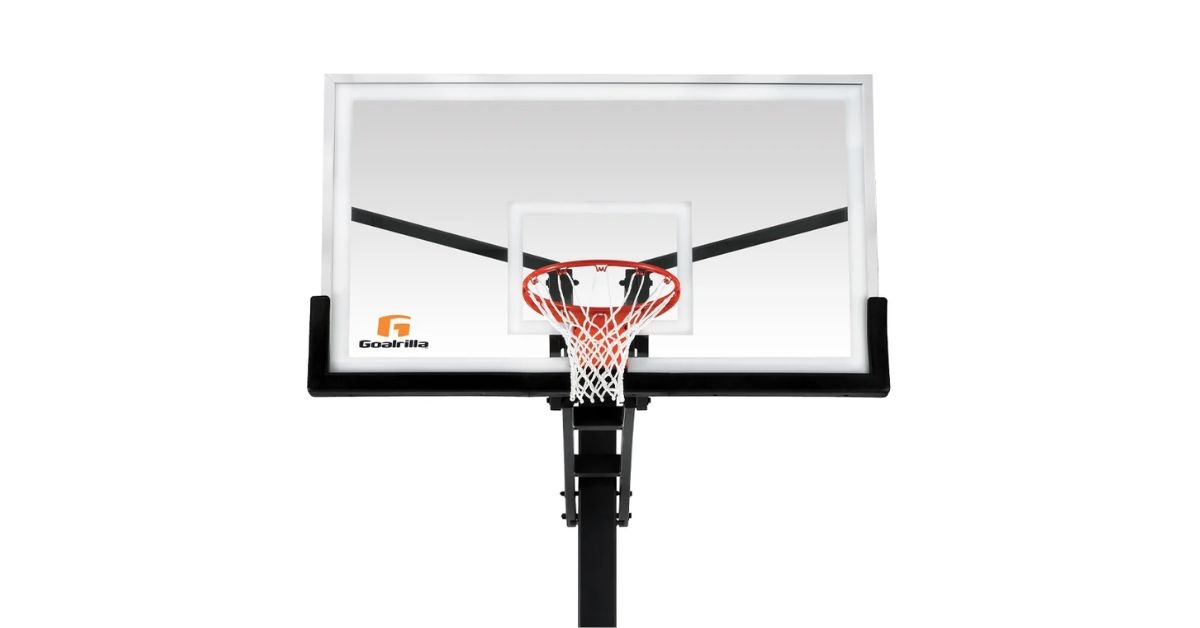
Kids Gotta Play is ready to help your family make it happen! Visit us for expert guidance, pro installation support, and the toughest hoops around. A Goalrilla in-ground basketball hoop brings real-game rebound, adjustable height, and lasting durability to your driveway or backyard. Stop by, call our team, or browse our Goalrilla lineup to pick the perfect model for your players. Let’s get your home court game-ready and start making swishes today!