In-Ground vs Portable Hoops: A Complete Buyer’s Guide
A home basketball hoop can turn an ordinary driveway or backyard court into a place for exercise, competition, skill development, and family fun. However, buyers often face one major decision before choosing a system: should they invest in an in-ground basketball hoop or select a portable model? Both designs can support recreational play, but they offer very different experiences when it comes to stability, performance, installation, adjustability, and long-term value.
Understanding these differences will help you choose a basketball hoop that fits your property, players, budget, and expectations. Kids Gotta Play created a complete buyer’s guide discussing in-ground vs. portable hoops.
Understand How In-Ground and Portable Hoops Differ
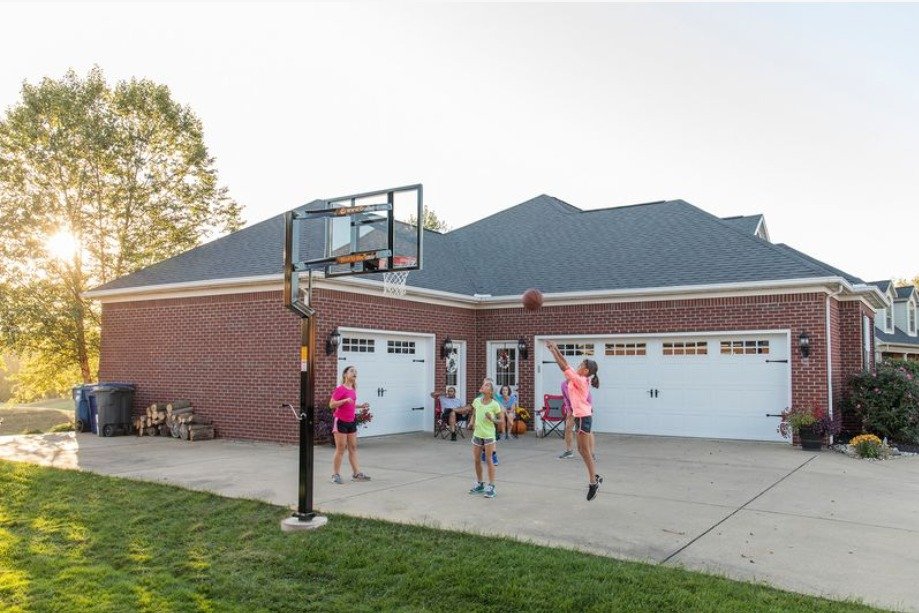
In-ground basketball hoops use a support pole that connects securely to an anchor system installed in the ground, creating a strong foundation for the entire goal. This permanent installation minimizes unnecessary movement and gives players a more consistent experience during shooting, rebounding, and competitive games. Many premium in-ground systems also feature substantial backboards, adjustable heights, and heavy-duty components designed to handle years of active play. Homeowners who want their driveway or home court to feel more like a dedicated basketball space often gravitate toward this option.
Portable basketball hoops take a different approach by supporting the pole with a movable base rather than a permanent ground anchor. Owners typically fill the base according to manufacturer directions to provide the weight necessary to stabilize the system during normal use. Wheels allow users to reposition many portable hoops, making these systems attractive when homeowners cannot or don’t want to commit to permanent installation. Their convenience comes with performance tradeoffs, however, especially for players who expect the stability and responsiveness of a premium fixed system.
Consider Backboard Size and Construction
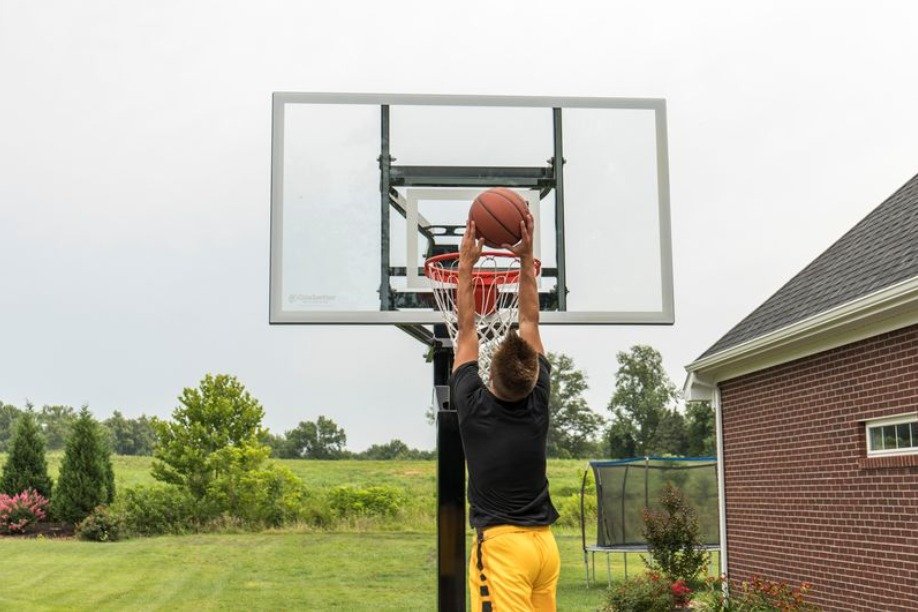
The backboard strongly influences how a basketball hoop looks, feels, and performs, so buyers should compare more than the overall dimensions. Larger backboards create more usable surface area for bank shots and can help a home system provide a more authentic playing experience. Material quality also matters because rigid, well-supported backboards generally deliver more consistent rebound performance than lightweight alternatives. Serious players often prioritize backboard construction because predictable rebounds allow them to develop skills that translate more effectively to competitive courts.
Premium systems may pair high-quality materials with robust support structures to reduce unwanted movement throughout the backboard assembly. A sturdy Goalsetter backboard and hoop can support the type of dependable rebound response that players value during structured practice, recreational shooting, and competitive home games. We recommend that buyers also consider the available space because an oversized system may overwhelm a compact driveway even when the backboard itself offers excellent performance.
Think About Installation Requirements
Portable hoops appeal to many buyers because they generally require less site preparation than permanently installed basketball systems. Owners can assemble the system, prepare the base according to the manufacturer’s instructions, position the hoop, and begin using it without installing an underground foundation. This setup can work especially well for renters or families who anticipate moving and want to bring their basketball equipment with them. Buyers should still follow every assembly and stabilization instruction carefully to maintain safe, dependable performance.
In-ground systems require more preparation because the installation creates a permanent foundation for the basketball goal. Installers must select an appropriate location, account for available playing space, follow system specifications, and properly establish the anchor before completing the hoop assembly. This additional effort provides the stability that makes in-ground systems attractive to homeowners who want a dedicated long-term basketball setup. Professional installation may also give buyers greater confidence when they invest in a premium system and want the equipment positioned correctly from the start.
Evaluate Your Available Space
Before buying any basketball hoop, measure the intended playing area and consider how players will actually move around the court. A driveway may need to accommodate vehicles, garage access, landscaping, sidewalks, and other household activities in addition to basketball. The hoop’s location should give players enough room to shoot, dribble, rebound, and move comfortably without creating unnecessary obstacles. Careful planning matters even more with an in-ground system because homeowners cannot simply roll the structure elsewhere after installation.
You should ask several practical questions before choosing your setup, including:
- How much unobstructed space can players use for basketball?
- Will parked vehicles regularly interfere with the playing area?
- Do younger children and experienced players need different rim heights?
- Does the household expect to remain at the property for several years?
- How often will players use the basketball hoop each week?
- Will serious practice require consistent backboard and rim performance?
- Does the property have an appropriate location for permanent installation?
Compare Durability and Long-Term Value
A basketball hoop needs to withstand far more than occasional shots if an active family uses it throughout the year. Outdoor systems encounter changing temperatures, moisture, sunlight, wind, repeated ball impacts, and regular physical activity during games and practice. Premium construction and quality materials can help the hoop maintain dependable performance despite those everyday demands. Buyers should examine the pole, backboard support, rim, hardware, adjustment components, and overall engineering when comparing potential systems.
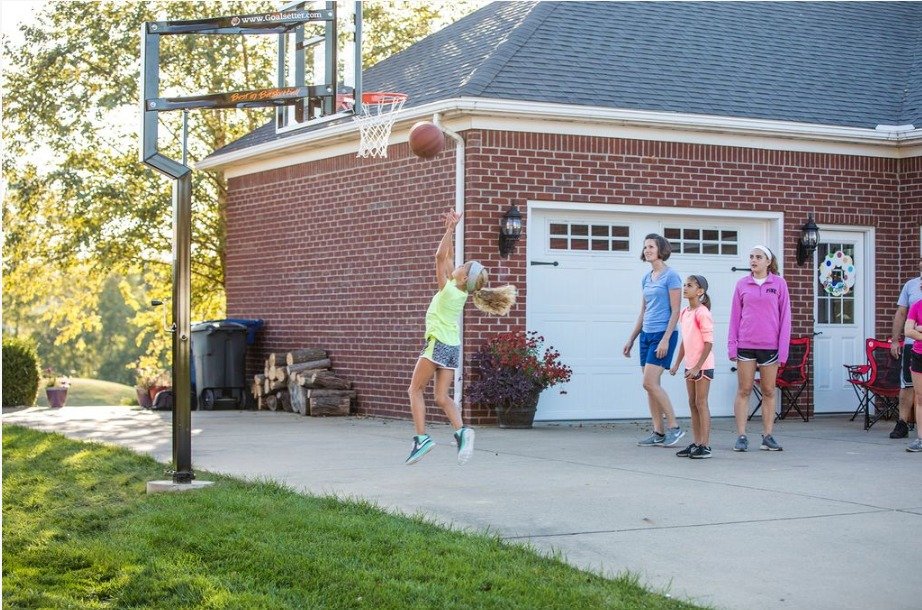
In-ground hoops often appeal to buyers who prioritize long-term durability because manufacturers can design them around permanent, highly stable foundations. A quality system can become a lasting recreational feature rather than equipment that families expect to replace after a short period. Portable hoops can offer excellent value when mobility matters more than maximum rigidity, particularly for casual players or households with changing needs. The best value therefore comes from matching the product’s strengths to how frequently and intensely your family expects to play.
Find the Right Basketball Hoop at Kids Gotta Play
Choosing between in-ground and portable basketball hoops becomes much easier when you identify what matters most for your family before comparing individual models. Consider available space, player ages, skill levels, expected playing frequency, installation preferences, backboard quality, adjustability, stability, and long-term plans for the property. Portable hoops deliver useful flexibility, while premium in-ground systems provide the solid foundation that can make home basketball feel closer to the real game. Investing in the right setup encourages players to practice more often, spend time outside, and enjoy an activity that can grow with them for years.
Kids Gotta Play helps families create exciting spaces for active outdoor recreation with basketball equipment designed around quality and lasting enjoyment. Goalsetter basketball hoops offer American-made craftsmanship and performance-focused engineering for players who want to make the most of their home court.