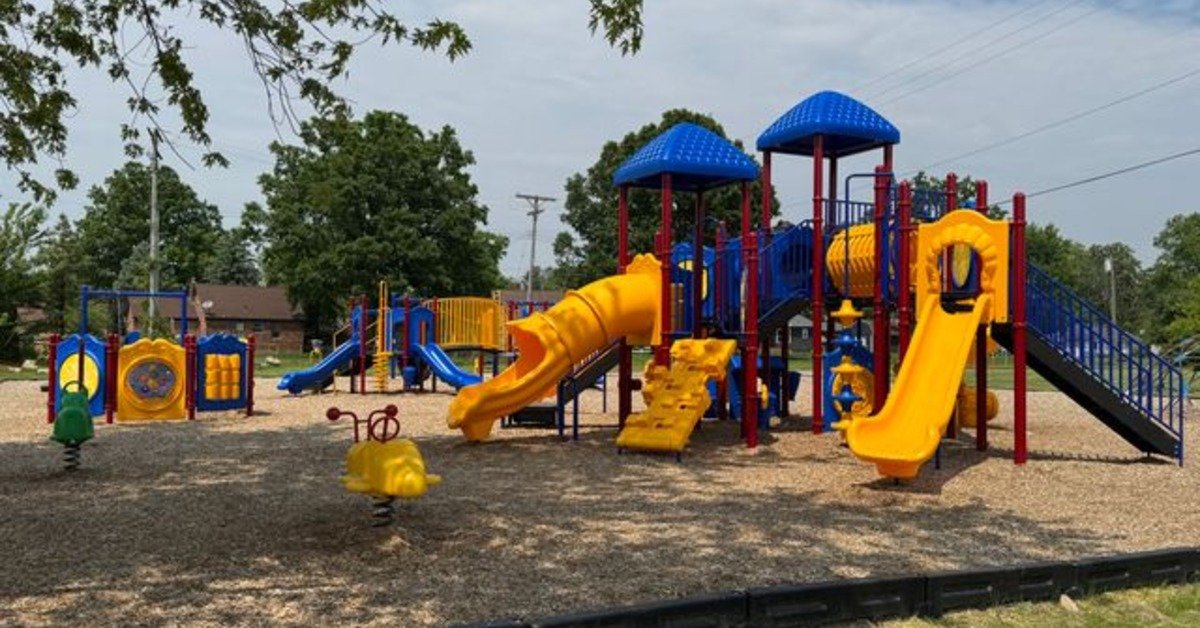
Common Mistakes To Avoid When Designing Playgrounds
Planning a new play area is exciting because every choice shapes how children move, imagine, and interact. Still, designing playgrounds while avoiding common mistakes takes more than choosing equipment that looks fun in a catalog. The best spaces feel welcoming, work for different ages, and give families a clear sense of how they can safely enjoy the play area.
Starting With Equipment Instead of a Plan
One common mistake is choosing equipment before defining the purpose of the space. A playground for toddlers has different needs than one built for older kids, and a backyard setup has different demands than a shared community area. When the plan starts with a single slide, climber, or swing bay, the overall layout can become an afterthought.
Before you select any individual pieces of equipment, ask yourself who will use the playground most often and how they will use it. Early planning should clarify:
- Which age groups will use the space
- How adults will supervise play
- What upgrades may be added later
A clear plan also makes it easier to account for shade, drainage, surfacing, access routes, and future growth before installation begins.
Crowding the Play Area
Playground equipment needs room to be used safely. Slides need landing zones, swings need full motion clearance, and climbers need space around them in case children step, jump, or move unexpectedly. A play area that looks roomy before installation can feel tight once equipment is in place.
Crowding also affects how kids play. When features sit too close together, children may cross into each other’s paths or wait longer to use popular areas. The playground can feel less inviting even if the equipment itself is high quality.
Before finalizing a layout, think through these spacing needs:
- Room for swings to move forward and back without crossing walkways
- Open space at the bottom of slides and around climbing exits
- Clear paths between features so children can move without bottlenecks
- Space for adults to supervise without blocking active play
Good spacing helps the playground feel organized, but it also gives children more freedom to move between activities without forcing parents to remind kids to “watch out” every few minutes.
Forgetting Age and Skill Differences
A playground should not expect every child to use the same features in the same way. Children grow at different rates, and comfort levels can vary even within the same age group. When a design includes only one type of challenge, some kids may feel left out, while others may get bored quickly.
For younger users, lower decks, gentle slides, and easy-to-grip climbing pieces can create a better entry point. For older users, taller climbers, overhead elements, and more complex routes can keep play engaging. The goal is to provide a range of options so children can choose challenges that fit them.
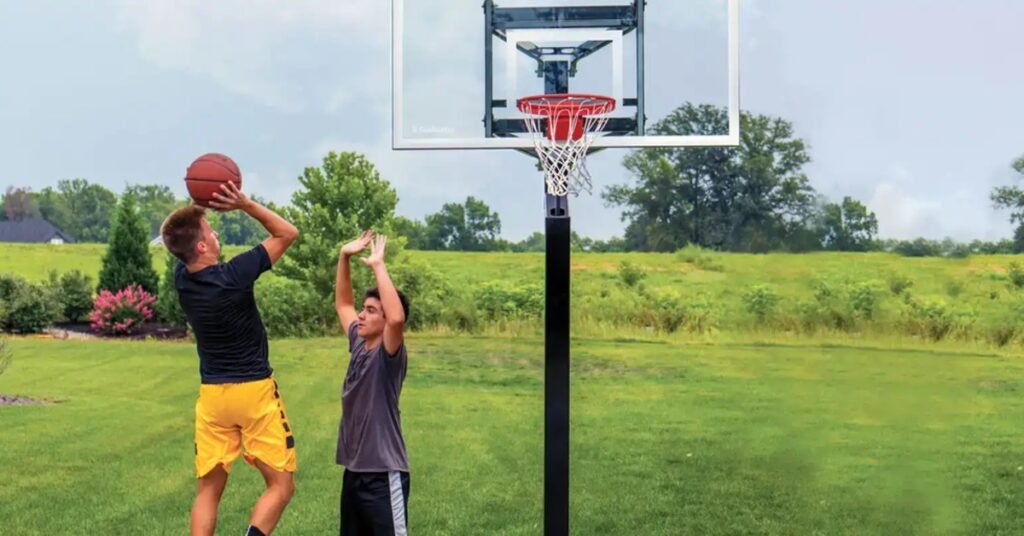
This same thinking can apply beyond playground equipment. Families planning active outdoor spaces may also consider basketball areas, trampolines, or sports courts. For example, if a home or community space includes Goalsetter hoops, placement and height options should match the players who will use them most often.
Blocking Visibility for Adults
Playgrounds should be fun for children, but adults still need to supervise comfortably. A common design issue is placing tall panels, solid walls, or large structures in ways that block views across the play area.
Sightlines are especially important in shared spaces where several children may be playing at once. Open layouts, thoughtful equipment placement, and clear pathways can all help adults scan the area quickly from common supervision points.
Treating Surfacing Like a Final Detail
The ground beneath and around playground equipment plays a major role in the finished design. Surfacing affects safety, accessibility, drainage, maintenance, and the overall appearance of the space. Choosing it late in the process can create budget surprises or installation issues.
Grass may look simple, but it often wears down in high-traffic areas. Loose-fill materials can provide cushioning, but they need regular attention to keep depth consistent. Rubber mulch and other impact-absorbing options can create a more finished look while helping soften landings.
Ignoring Drainage and Sun Exposure
Outdoor play spaces need to work through changing seasons. In Michigan, that can mean rain, snow, freeze-thaw cycles, summer heat, and muddy spring days. A playground that does not account for water and weather may become harder to use and maintain.
Evaluate drainage before installation. If water collects in the planned play area, surfacing can shift, wood can wear faster, and certain areas may become slippery. Shade should also be part of the plan because slides, platforms, and seats can heat up in direct sun.
A little planning from the start can make the playground more comfortable throughout more of the year.
Creating a Confusing Layout
A great playground invites children to move naturally. When the layout is confusing, kids may cluster around one feature or run through areas where others are climbing, swinging, or sliding.
Think about how children will enter, explore, and exit the playground. Main pathways should be easy to understand, and high-energy features should not force kids to cut through quieter zones. If the playground serves different age groups, separate areas can help each group play at a better pace.
Leaving Accessibility and Upkeep Out
Accessibility should be considered early, not added at the end. Children, parents, grandparents, and caregivers may all need to move through the space in different ways. A playground that is easier to enter and navigate can welcome more families.
Focus on a design that includes thoughtful paths, approachable play elements, and gathering areas that reduce unnecessary barriers. Ground surface, entry points, transfer areas, and seating can all affect how usable the playground feels.
Long-term care should be part of the same conversation. Materials, surfacing, hardware, and moving parts all need attention as seasons change and children use the space. A maintenance-friendly design makes upkeep easier for families, schools, and community groups.
Before moving forward, review a few key questions:
- Can adults easily see—and access—the main play areas?
- Are the most active features spaced safely?
- Does the design fit the ages and abilities of likely users?
- Is there a plan for surfacing, drainage, and upkeep?
Build a Play Space That Works From Day One
Avoiding common playground design mistakes can make a playground safer, more comfortable, and more exciting for the families who use it. When you think through spacing, visibility, surfacing, age range, drainage, and maintenance early, the finished area feels easier to enjoy.
Thoughtfully designing playgrounds also helps each feature serve a clear purpose. The best park playground equipment allows you to easily create a space where children can have fun.
If you are planning a new backyard or community play area, we can help you choose equipment that fits your space and goals. Visit Kids Gotta Play to explore playsets, basketball systems, trampolines, surfacing options, and installation support for a play area your family or community can enjoy for years.