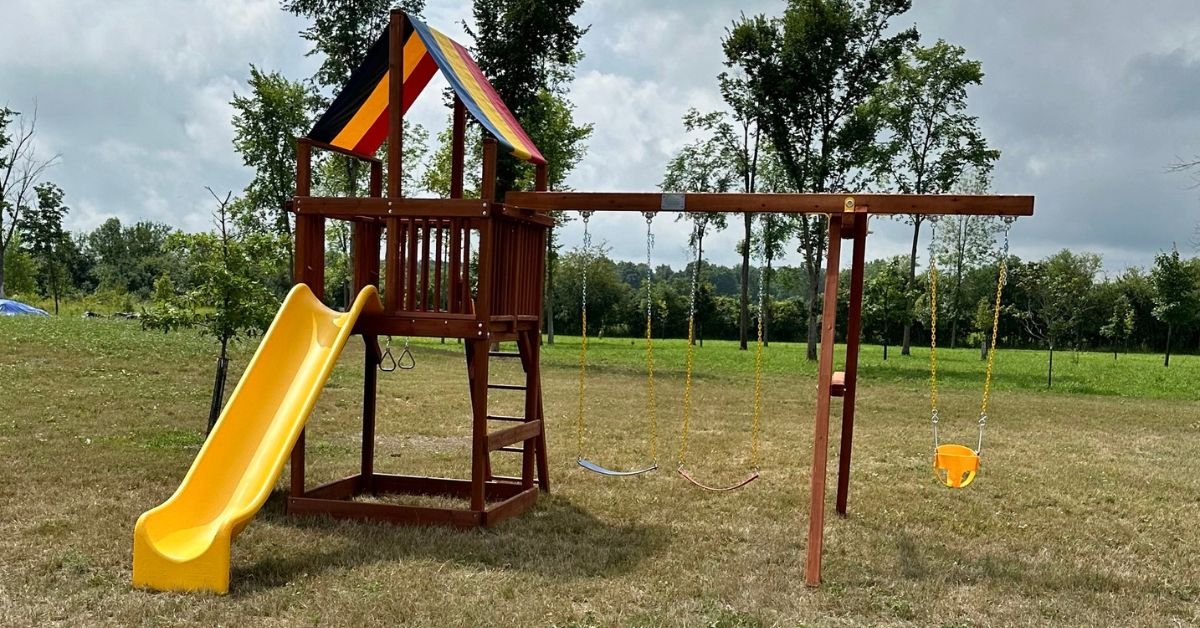
Creating a backyard your kids can’t wait to run out to starts long before you set up the first swing. If you want a safe, long-lasting setup, you need to fully prepare your yard for a playset installation. From leveling the ground to planning for long-term use, each step ensures your investment can deliver years of fun.
Even the best playset performs best when installed on a properly prepared foundation. Let’s walk through the key steps that set your backyard up for success.
1. Start With the Right Location
Choosing the perfect spot is more than just picking an open patch of grass. You’ll want an area that balances safety, visibility, and usability.
Look for a location that offers:
- Clear sightlines from your home for easy supervision
- Distance from fences, trees, and hard surfaces
- Enough room for swings, slides, and movement zones
A well-placed playset creates a natural gathering space for your family. It also ensures kids can play freely without unnecessary hazards nearby.
2. Measure Your Space Carefully
Before installation day, grab a tape measure and map out your yard. Every playset has specific dimensions, but you’ll also need extra clearance around it.
Account for space beyond the structure itself. Swings need room to arc, and slides require a safe landing area. Planning ahead eliminates the need for last-minute adjustments that can delay installation.
If you’re considering larger Rainbow backyard playsets, this step becomes even more important. These sets often include multiple features that expand their footprint.
3. Level the Ground for Stability
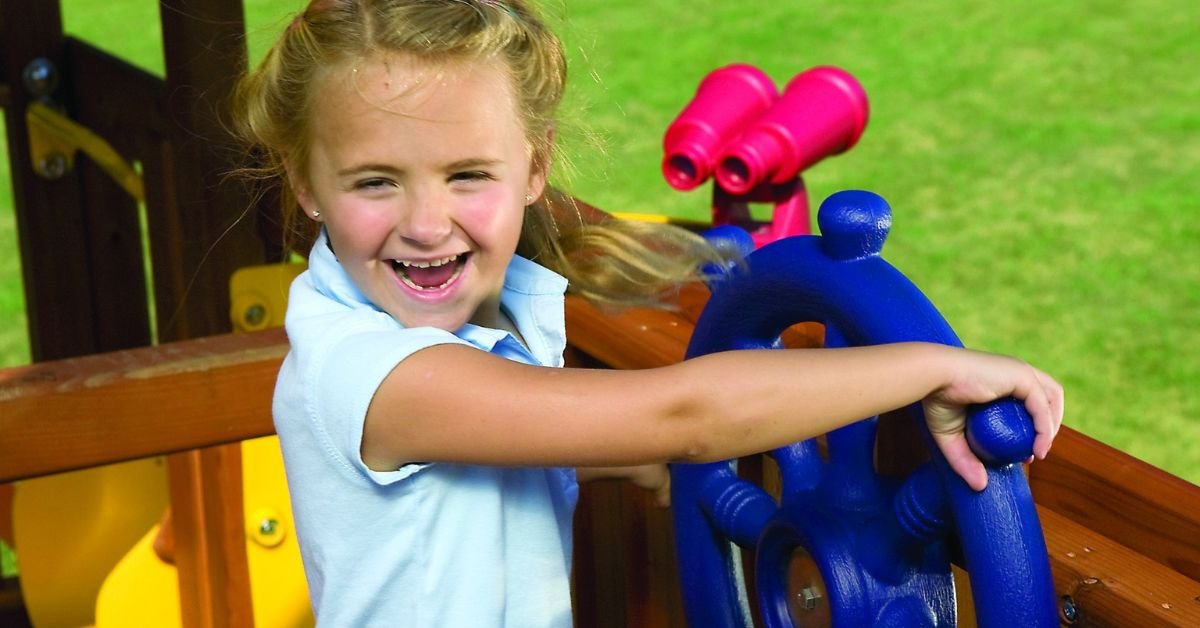
A level surface sets the stage for safe, worry-free play. When the ground is uneven, it can put stress on the structure and make playtime less secure.
Take a few minutes to walk the area and spot any dips or raised spots. Small uneven areas are usually easy to fix with a little soil adjustment, but bigger slopes may need extra attention from professional landscapers. Don’t skip this step—getting the ground right helps your playset feel solid and safe to play on from day one.
4. Address Drainage Issues Early
No one wants a muddy play zone after a little rain. Standing water can turn your backyard into a slippery mess and affect the ground beneath your playset over time.
Watch how water moves through your yard during or after a storm. If you notice pooling, a few simple fixes can make a big difference:
- Add gravel or drainage rock in areas that stay wet
- Gently adjust the slope to guide water away
- Install a simple drainage solution if needed
Keeping the area dry makes playtime safer and a lot more enjoyable for everyone.
5. Choose the Right Ground Cover
The surface under your playset does more than just look nice—it helps protect your kids during active play. While grass is common, it doesn’t always offer the cushioning you want.
Materials like rubber mulch, wood mulch, or other play-safe surfaces can provide better impact absorption. Each option has its own feel and maintenance level, so it’s worth choosing one that fits your family’s needs.
A thoughtful ground cover choice adds comfort, safety, and a finished look to your backyard space.
6. Remove Obstacles and Debris
Before installation day, give your yard a quick refresh. Clearing the area makes the process smoother and helps prevent issues later on.
Take a walk through your space and remove anything that could get in the way, like:
- Rocks, roots, or loose sticks
- Decorative edging or lawn accents
- Low branches that hang into the play zone
Starting with a clean, open area helps your installers work efficiently and keeps your play space safe from the start.
7. Check for Underground Utilities
It’s easy to focus on what’s above ground, but what’s below matters just as much. Underground lines can be a hidden hazard if you’re not careful.
Before any digging or anchoring begins, reach out to your local utility marking service. It’s a quick step that protects your home and keeps your project on track.
Plus, it gives you peace of mind knowing everything is set up safely from the ground up.
8. Plan for Sun and Shade
A great play space feels comfortable all day long. Too much direct sun can heat up slides and surfaces, making them less inviting during peak hours.
Pay attention to how sunlight moves across your yard. A mix of sun and shade works best, whether it comes from trees or nearby structures. Just be sure to trim any branches and keep them out of the way during installation.
Designing a comfortable play environment helps your kids safely stay outside longer—and enjoy every minute in the fresh air!
9. Think About Future Growth
Your backyard should grow along with your family. What works for a toddler today should still feel exciting a few years down the road.
Many Rainbow backyard playsets allow you to add features as your kids grow. Leaving a little extra room now makes it much easier to upgrade in the future.
10. Create Easy Access Paths
Think about how your family will get to the playset every day. Over time, foot traffic can wear down grass and create messy patches.
Simple additions like stepping stones or mulch paths keep things neat and easy to navigate for kids and adults alike. They also make it more inviting for parents to join in the fun.
A clear, accessible path turns your playset into a natural extension of your backyard living space.
Set the Stage for Years of Outdoor Fun
Taking the time to prepare your yard for a playset installation sets the foundation for safe, stress-free play. Each step—from leveling the ground to planning for growth—ensures your backyard becomes a space where memories are made.
When you invest in high-quality options like Rainbow backyard playsets, proper preparation helps you get the most out of every feature.
If you’re ready to bring your backyard vision to life, explore Kids Gotta Play’s wide selection of residential playsets. Our team offers expert guidance, delivery, and installation to help families create fun, safe environments right at home. With the right setup, your backyard can quickly become your kids’ favorite place to play!